Applications
PORT AND MARINE FACILITIES
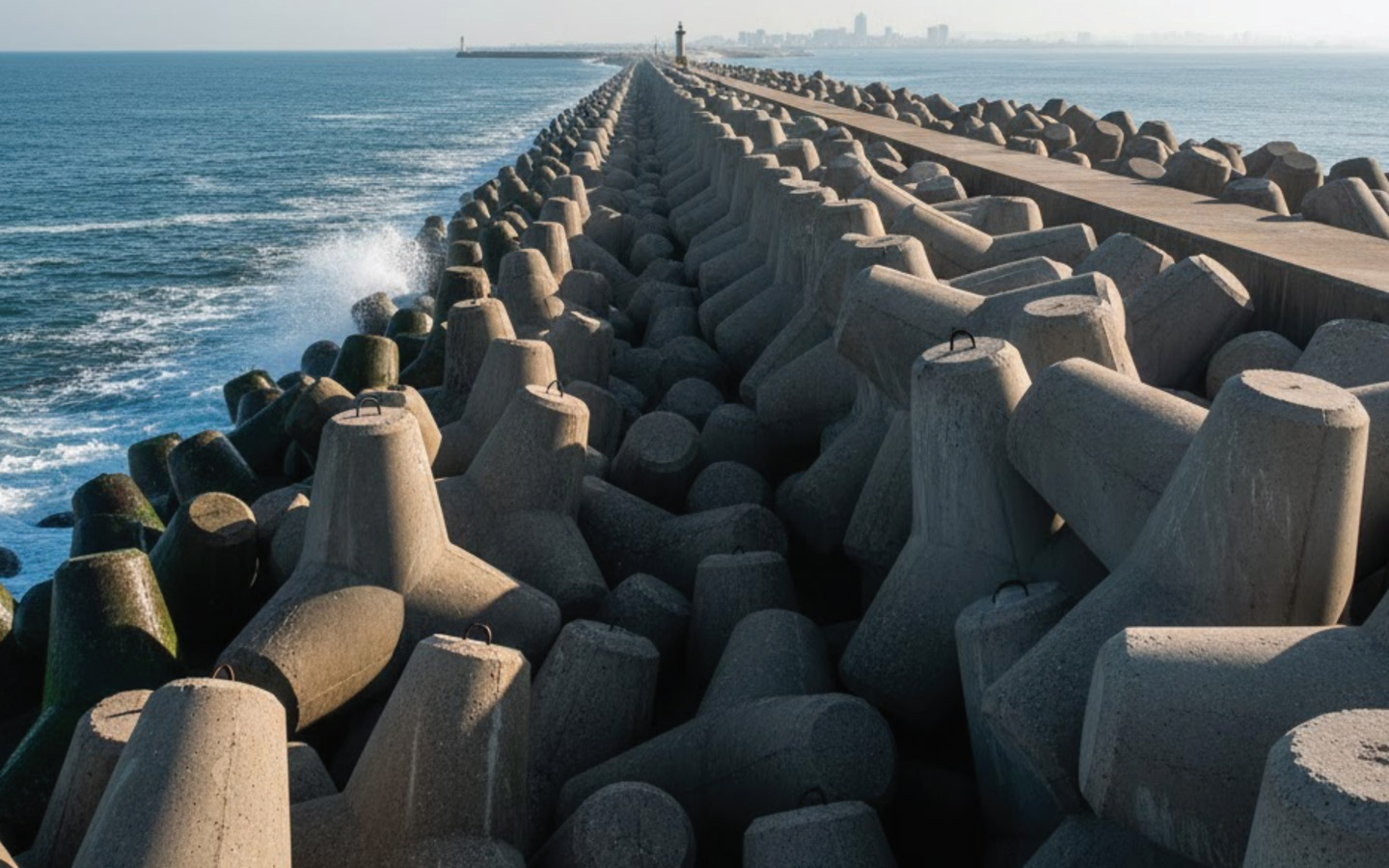
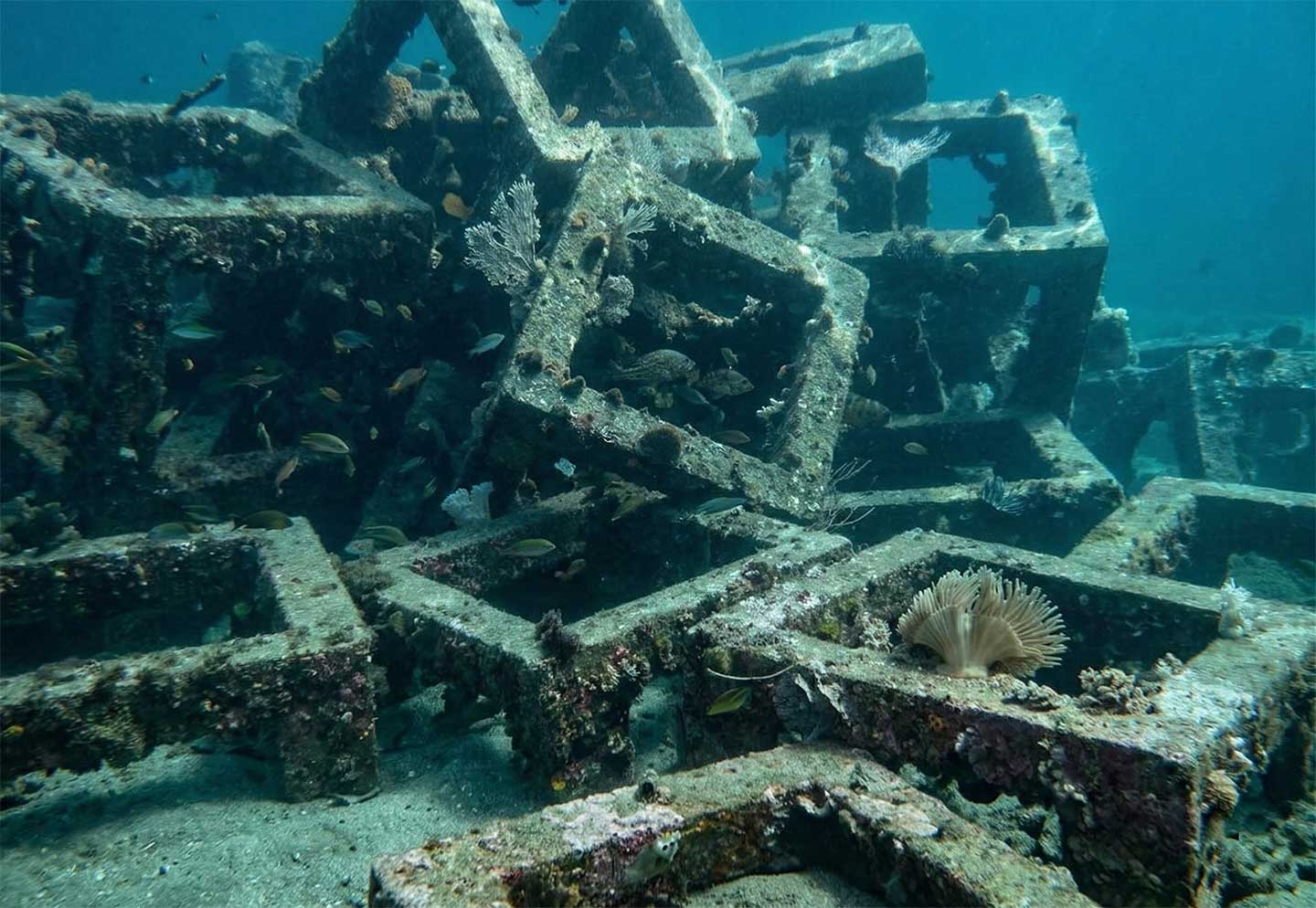
Coastal Construction / Breakwaters / Piers / Coastal Retaining Walls / Coastal Plants / Small Structures (Tetrapods, Artificial Reefs), etc.
• Harsh Marine Environments: Port and marine facilities (such as breakwaters, piers, coastal retaining walls, coastal plants, and tetrapods) are constantly exposed to extreme marine conditions, including seawater, airborne sea salt, wave energy, and tidal variations. The durability of these concrete structures is a core element directly linked to the safe operation of the facilities.
• The GFRP Advantage: Epoxy GFRP rebar is completely free from electrochemical corrosion, even in seawater environments. With outstanding durability against salt-induced damage, it is a superior alternative that ensures the permanent integrity of port structures.
• Harsh Marine Environments: Port and marine facilities (such as breakwaters, piers, coastal retaining walls, coastal plants, and tetrapods) are constantly exposed to extreme marine conditions, including seawater, airborne sea salt, wave energy, and tidal variations. The durability of these concrete structures is a core element directly linked to the safe operation of the facilities.
• The GFRP Advantage: Epoxy GFRP rebar is completely free from electrochemical corrosion, even in seawater environments. With outstanding durability against salt-induced damage, it is a superior alternative that ensures the permanent integrity of port structures.


PORT AND MARINE FACILITIES
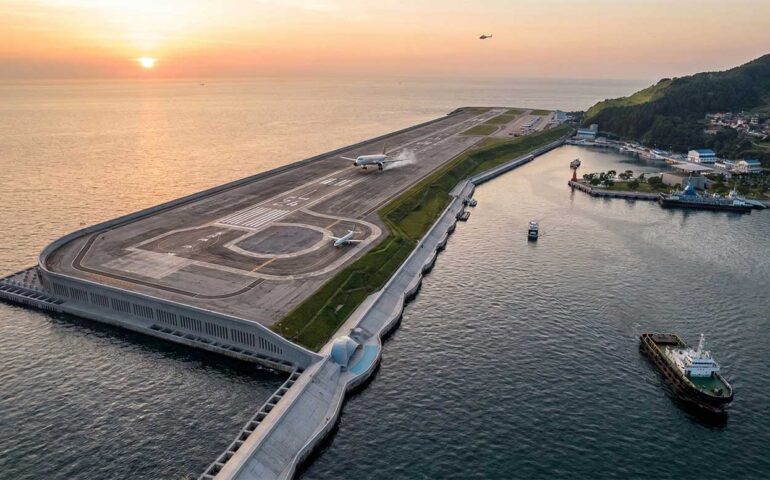
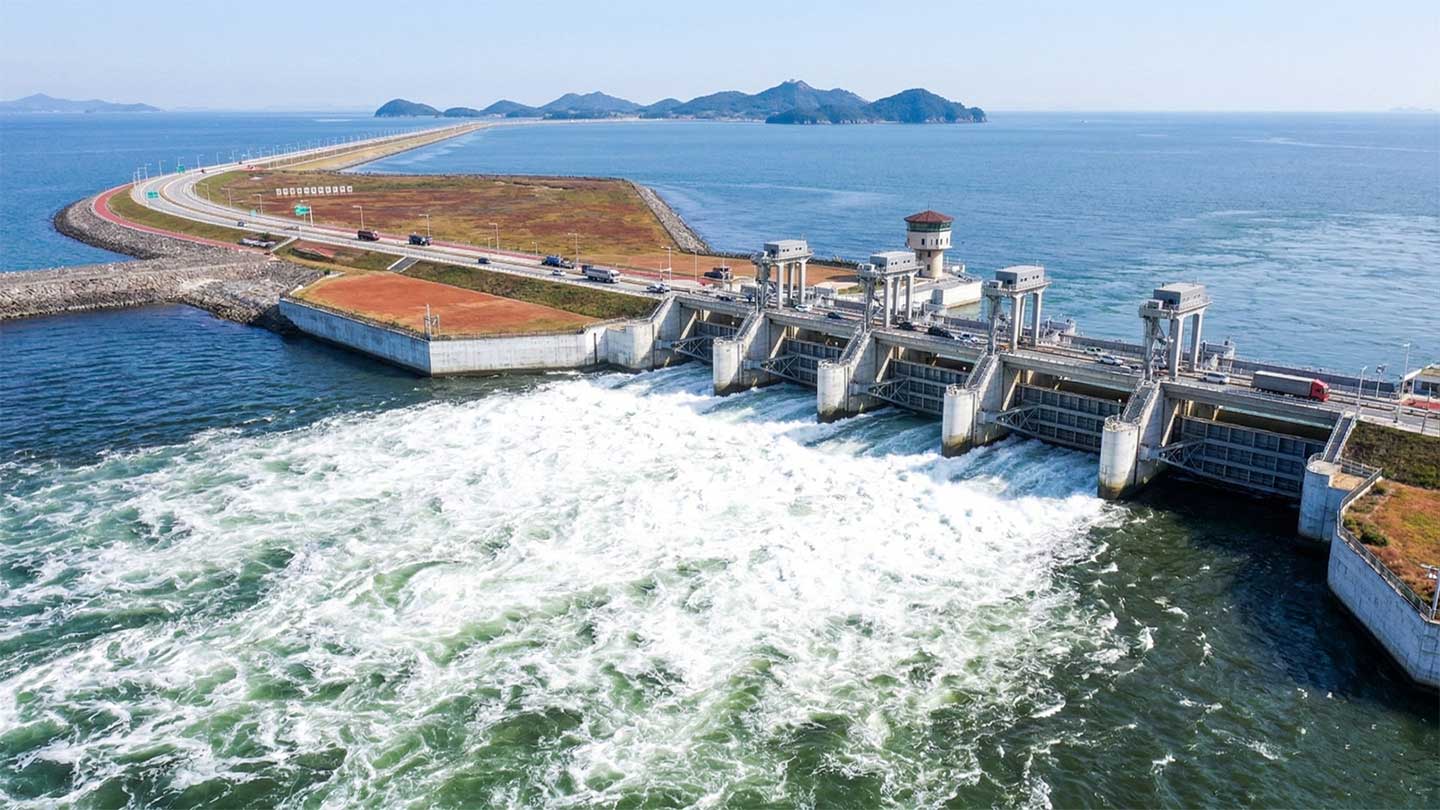
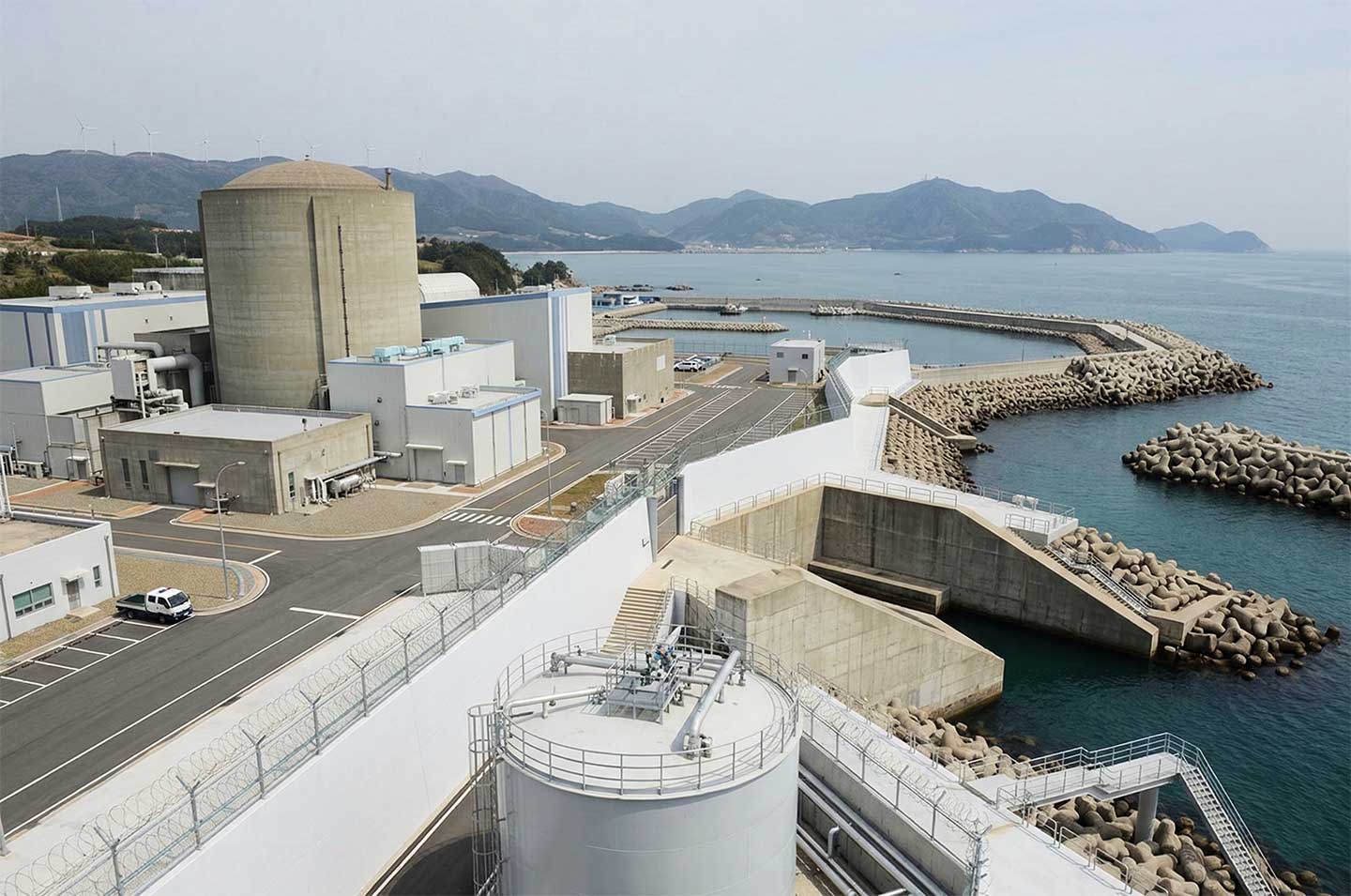
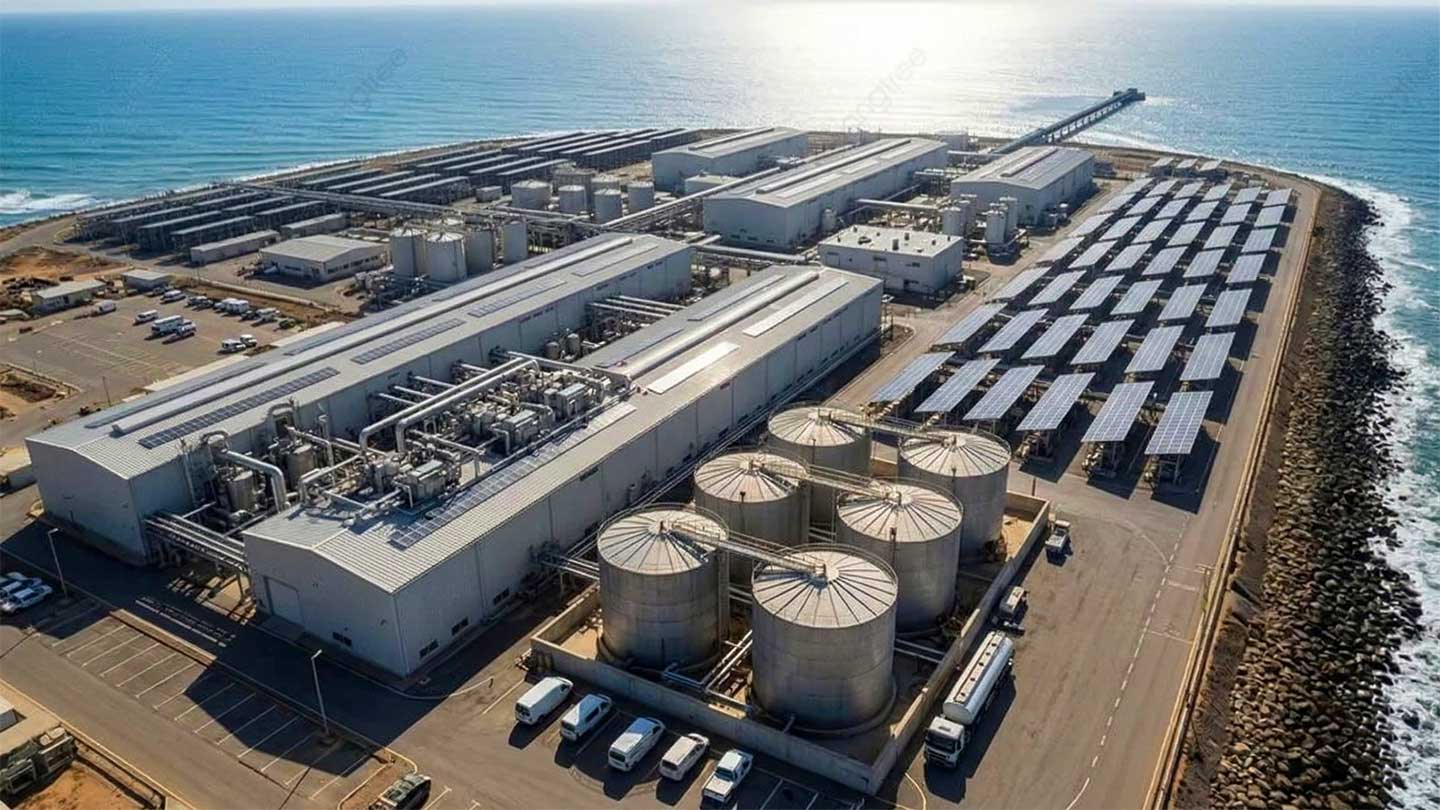
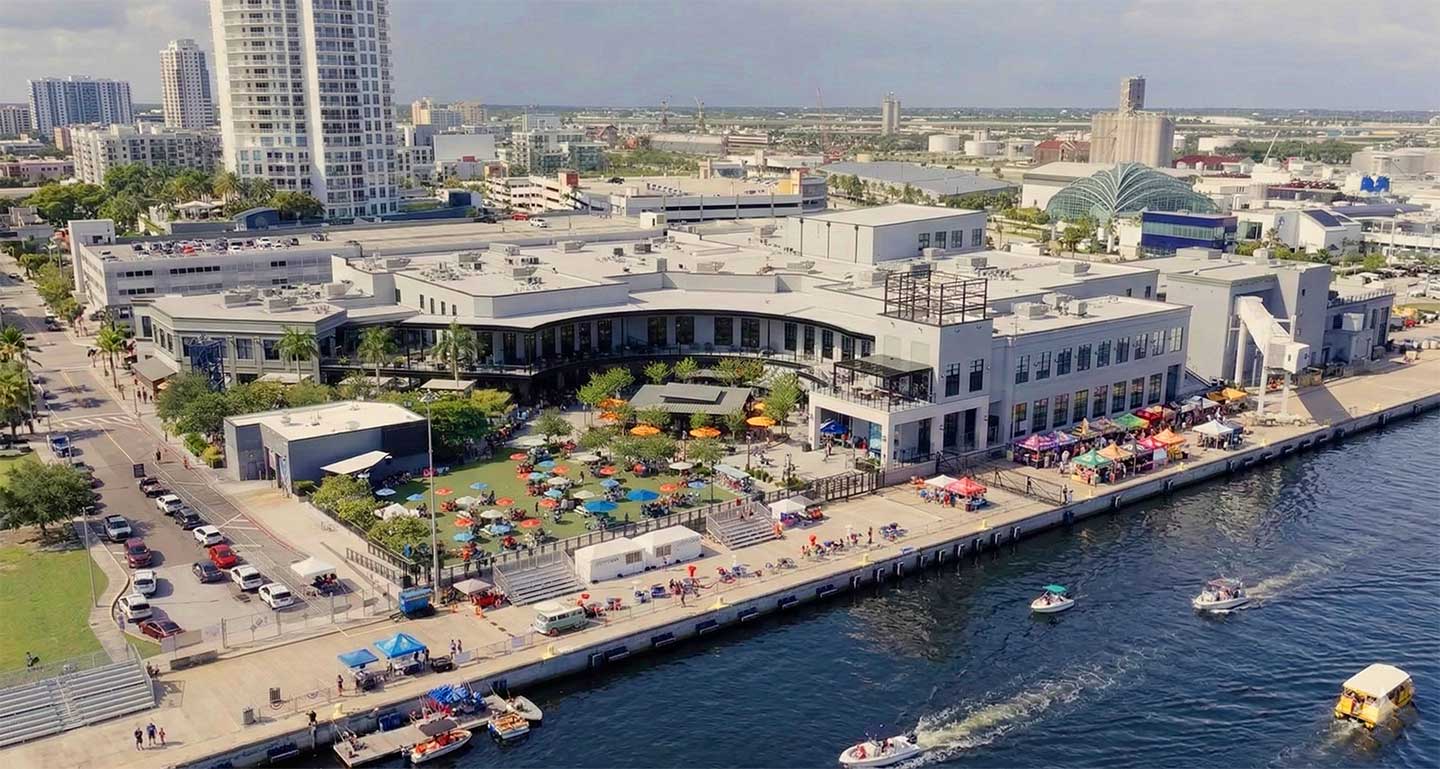
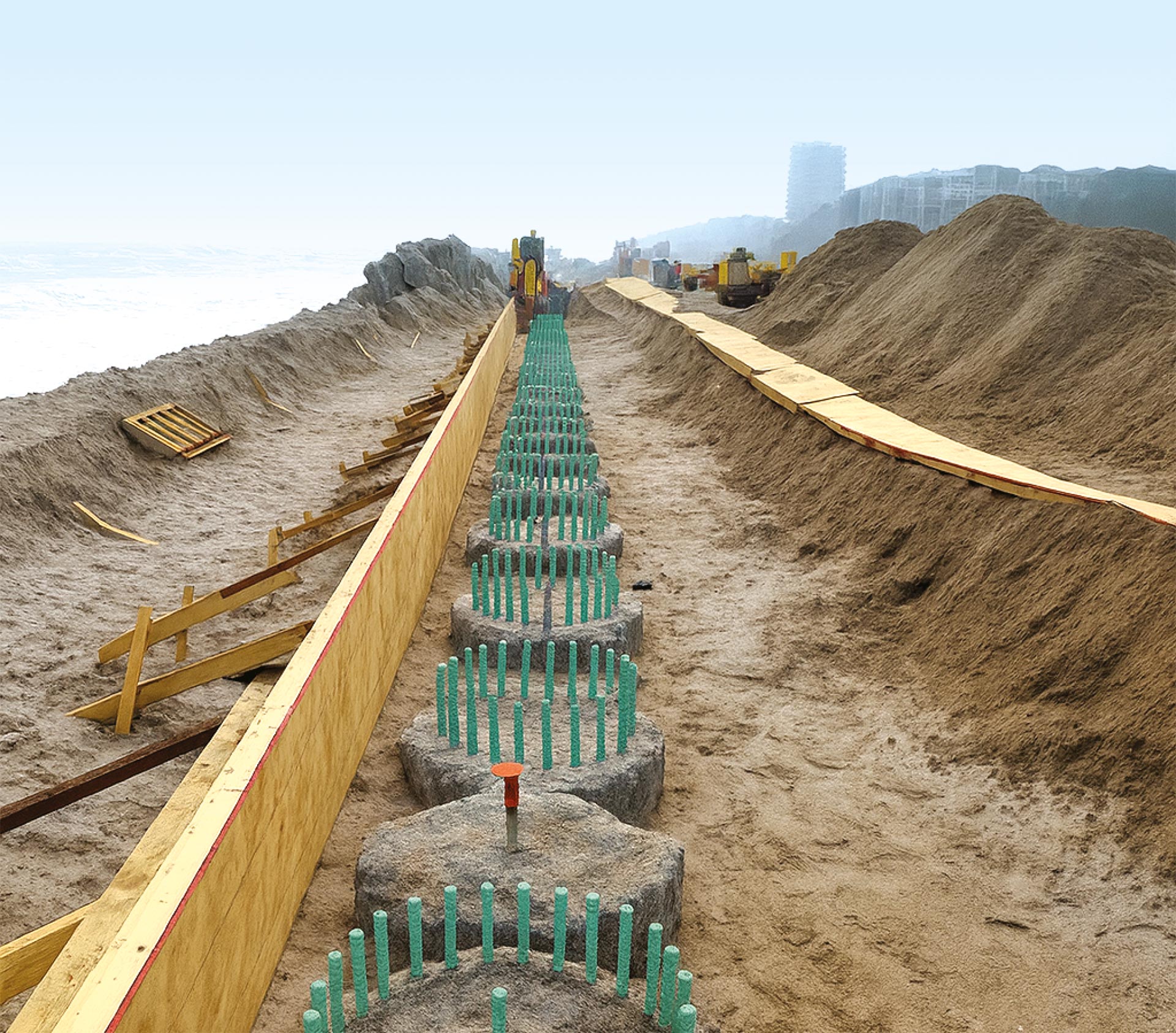
Coastal Construction
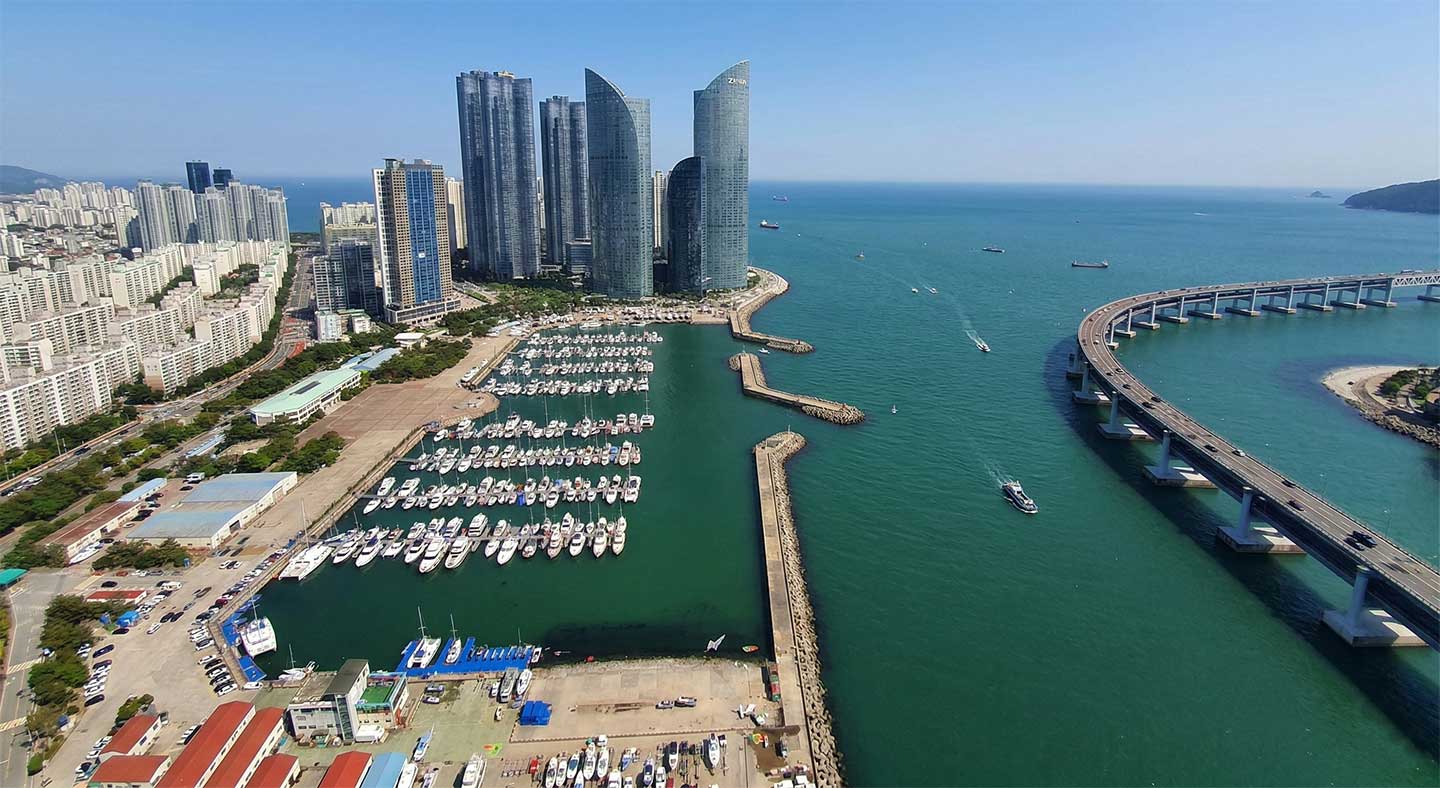
• Chloride Vulnerability: Coastal structures exist in an extreme environment constantly exposed to seawater and airborne sea salt. The internal steel rebar is highly vulnerable to rapid corrosion caused by the penetration of chloride ions.
• Optimal Alternative: Epoxy GFRP rebar offers perfect chemical resistance to chlorides, fundamentally blocking corrosion even in seawater environments. Backed by its lightweight profile and exceptional durability, it is the optimal alternative that drastically extends the lifespan of coastal structures and reduces the total Life Cycle Cost (LCC).
• Optimal Alternative: Epoxy GFRP rebar offers perfect chemical resistance to chlorides, fundamentally blocking corrosion even in seawater environments. Backed by its lightweight profile and exceptional durability, it is the optimal alternative that drastically extends the lifespan of coastal structures and reduces the total Life Cycle Cost (LCC).


PORT AND MARINE FACILITIES
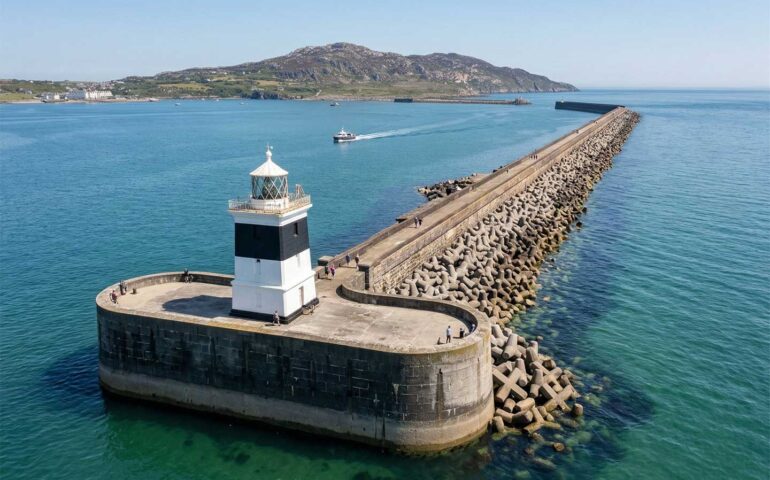
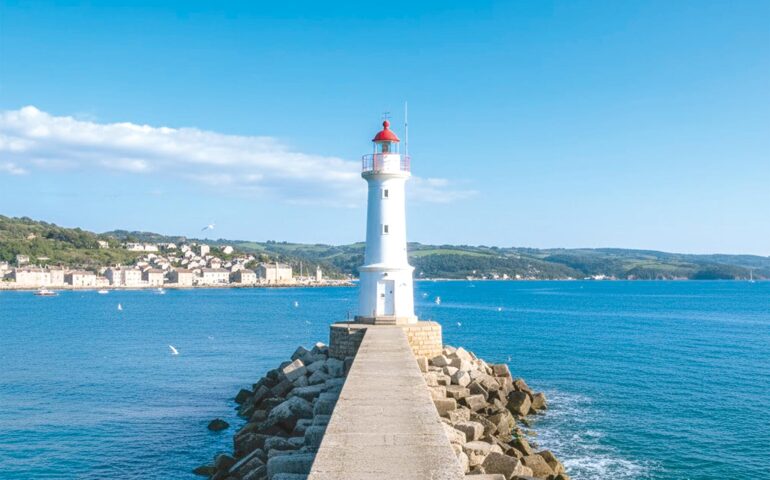
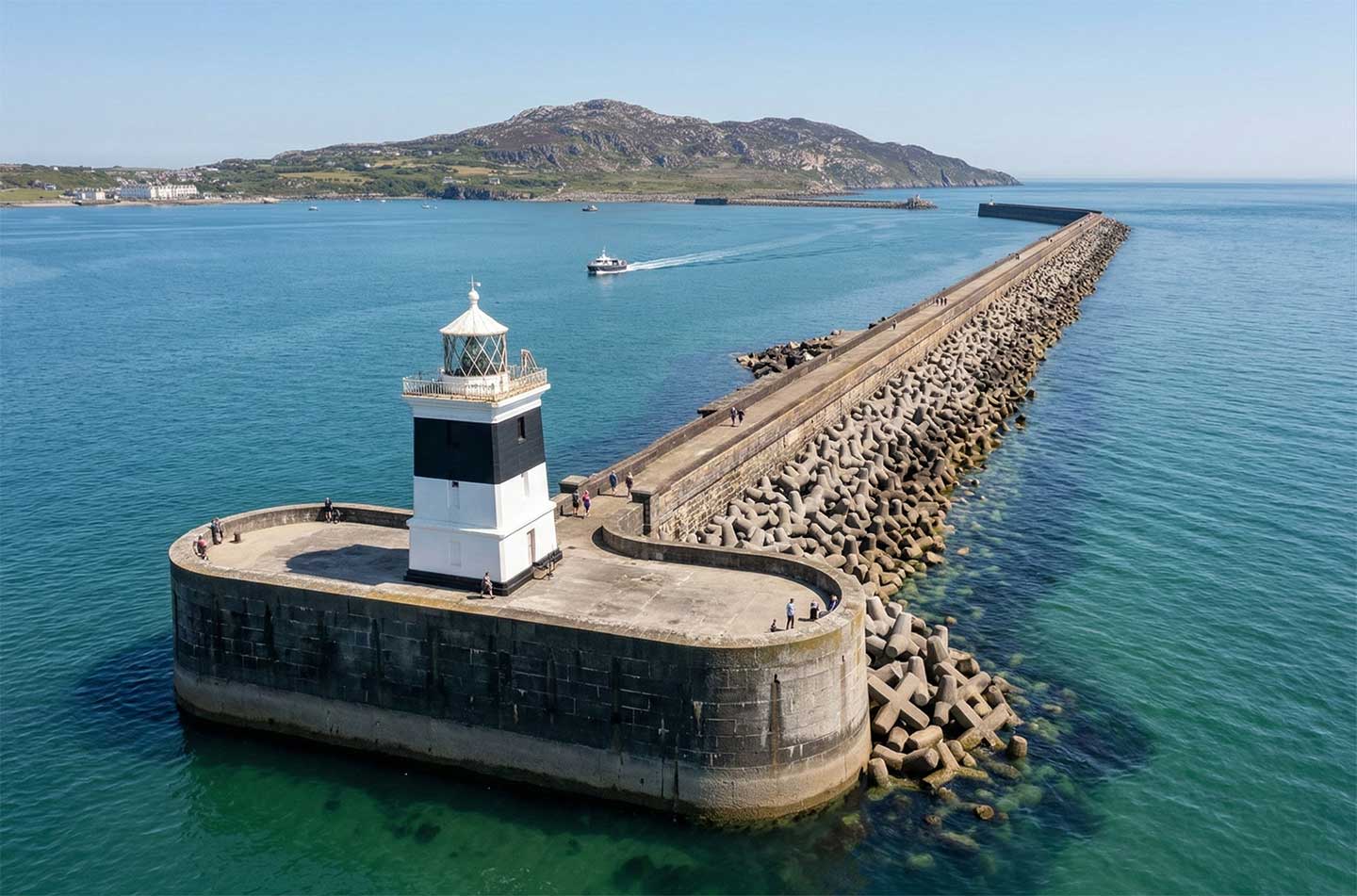
Breakwaters
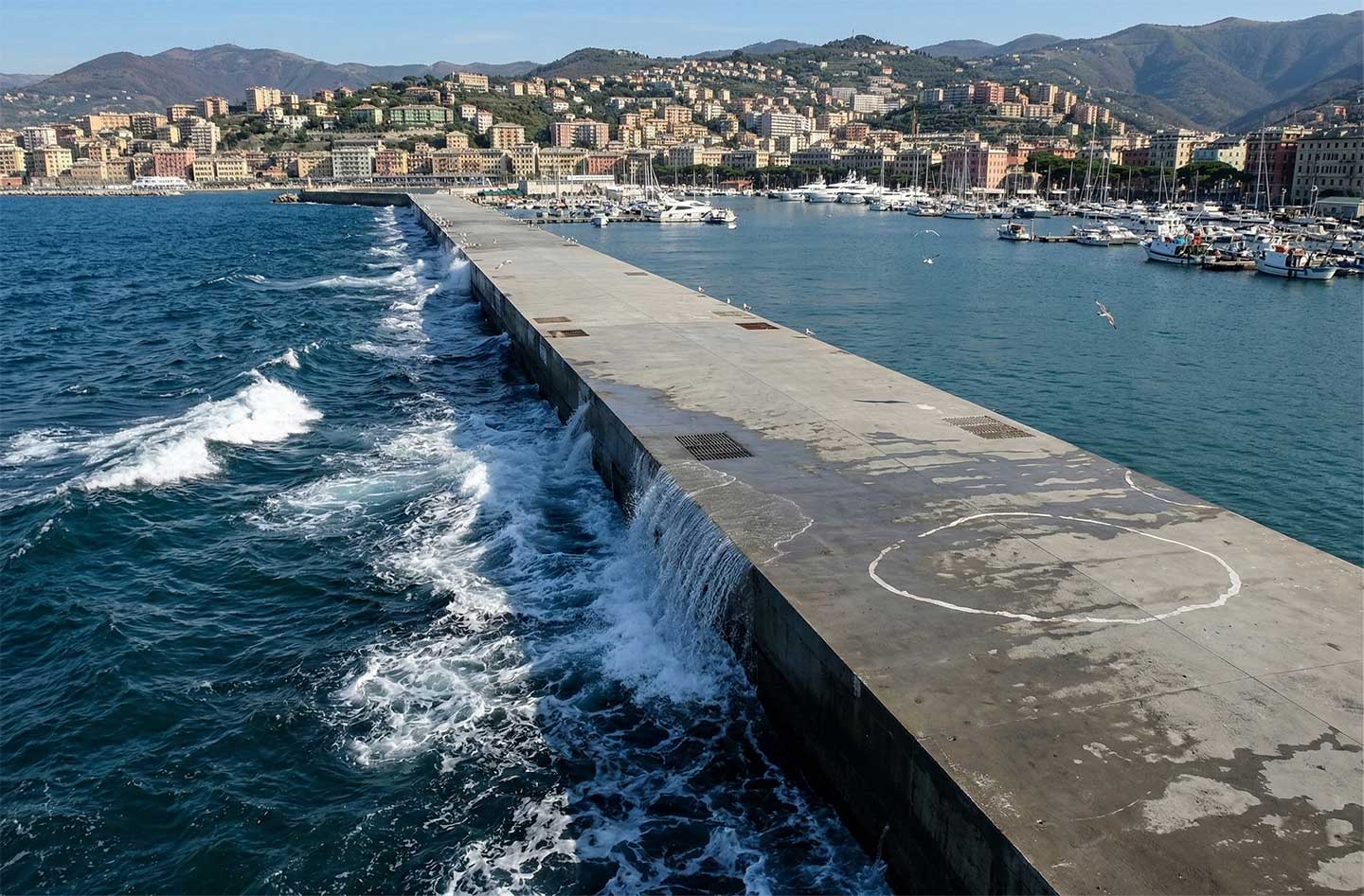
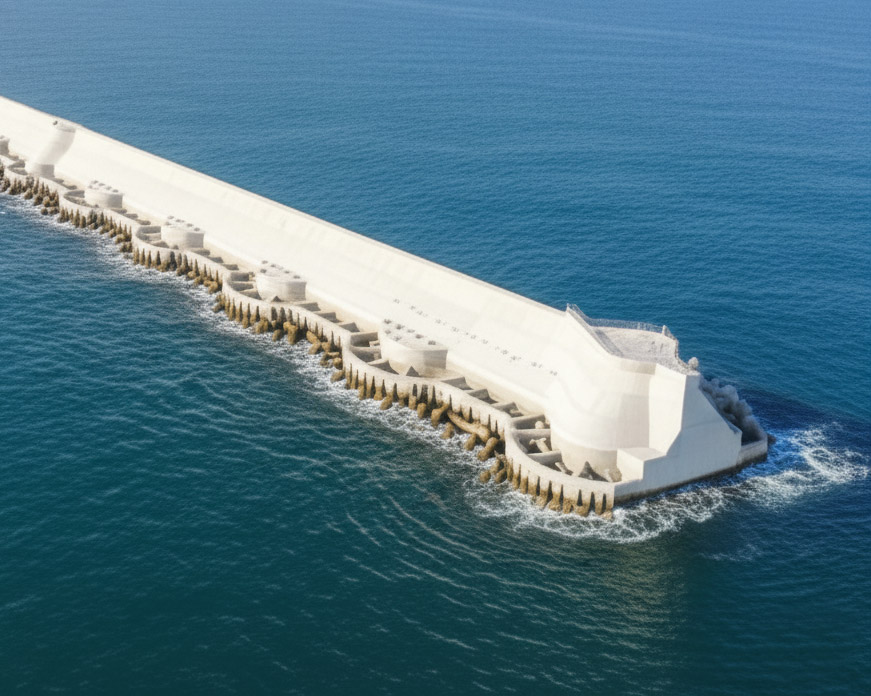
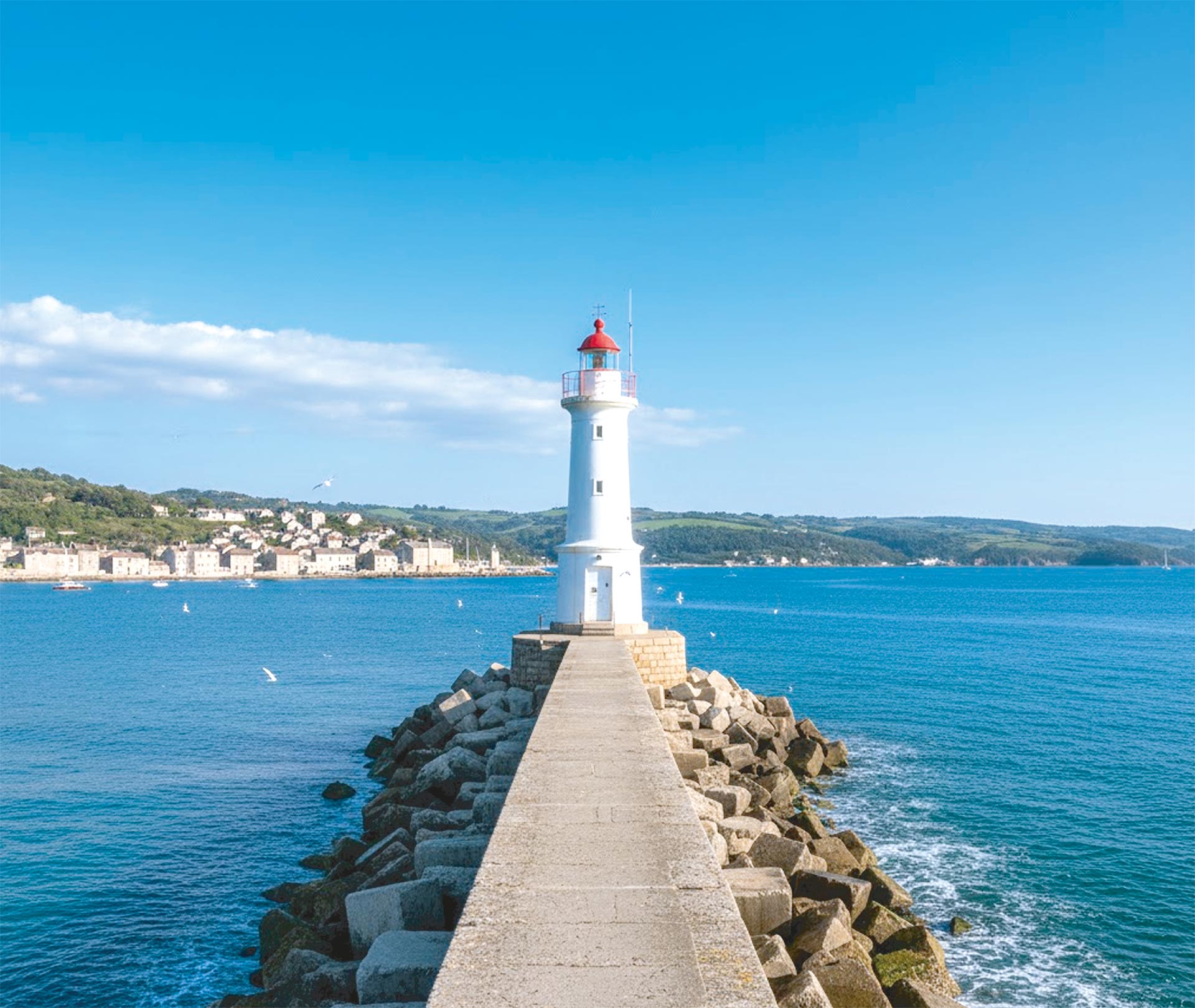
• Severe Exposure: Breakwaters must constantly withstand wave energy and are situated in the harshest environments with direct exposure to seawater and airborne salt. Therefore, the durability of the internal reinforcing bars is the key factor determining the lifespan of the entire structure.
• Long-Term Integrity: Epoxy GFRP rebar experiences absolutely no electrochemical corrosion in seawater environments, preserving structural integrity over the long term. It significantly reduces the need for frequent repairs caused by corrosion, minimizing the Life Cycle Cost (LCC).
• Long-Term Integrity: Epoxy GFRP rebar experiences absolutely no electrochemical corrosion in seawater environments, preserving structural integrity over the long term. It significantly reduces the need for frequent repairs caused by corrosion, minimizing the Life Cycle Cost (LCC).
PORT AND MARINE FACILITIES
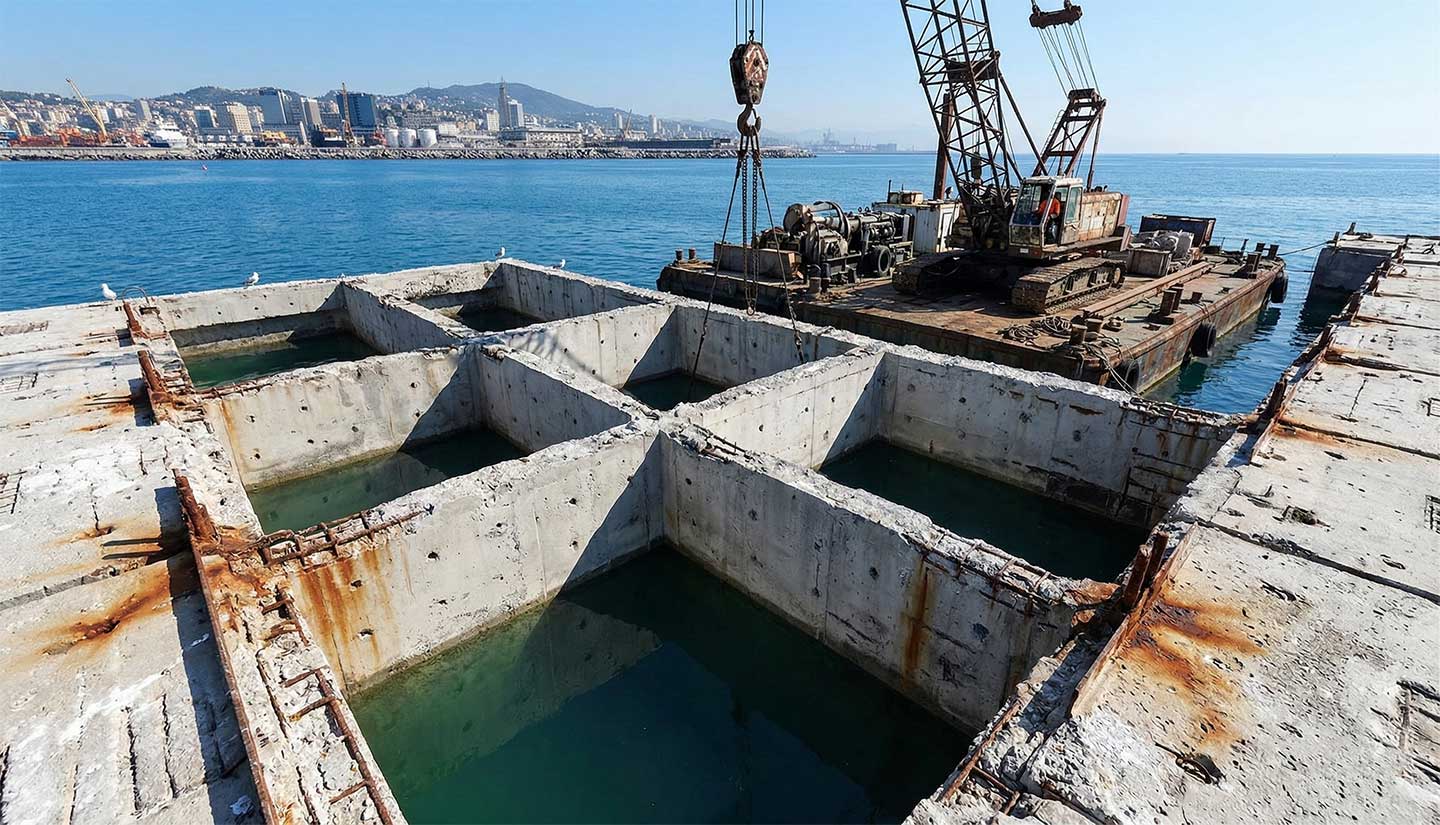
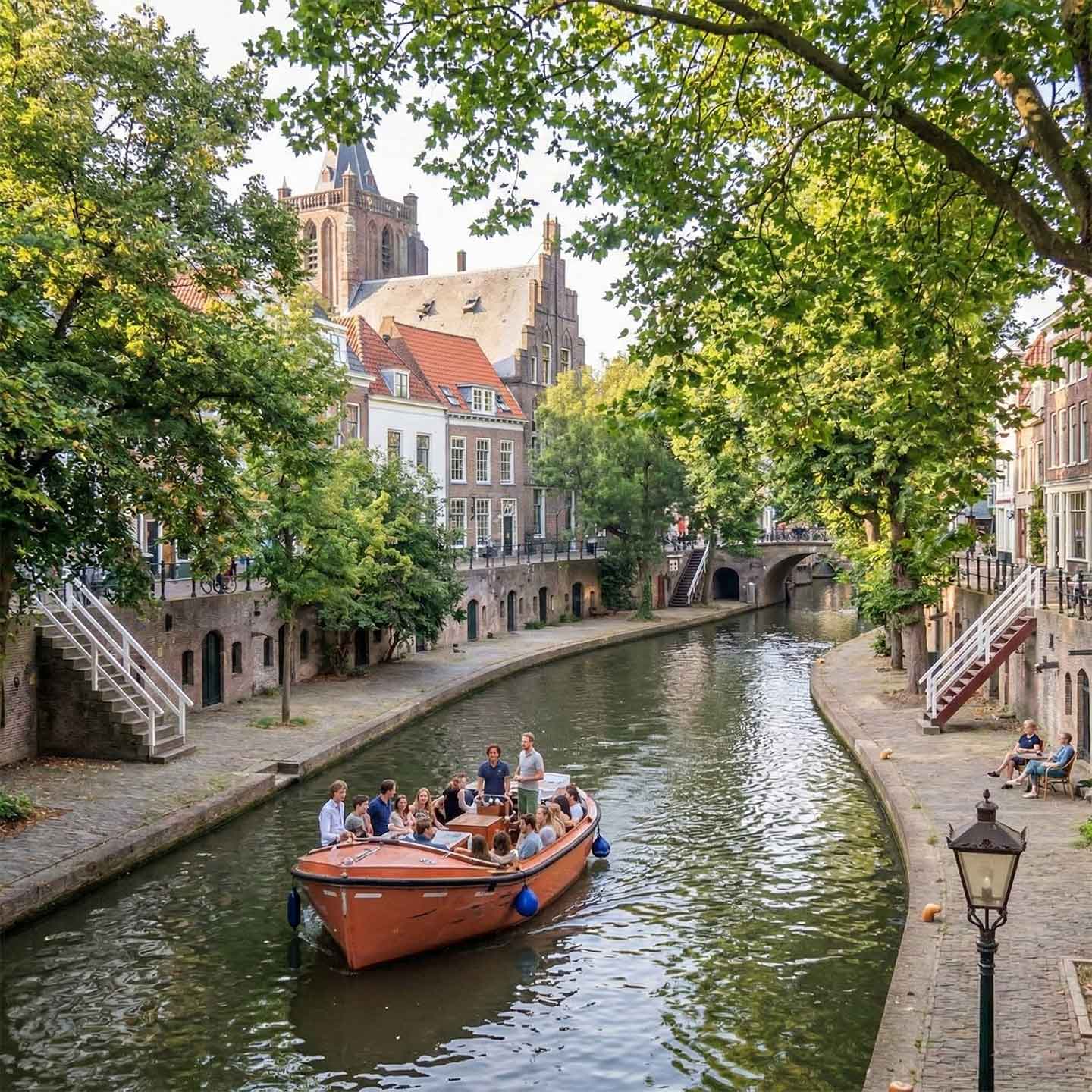
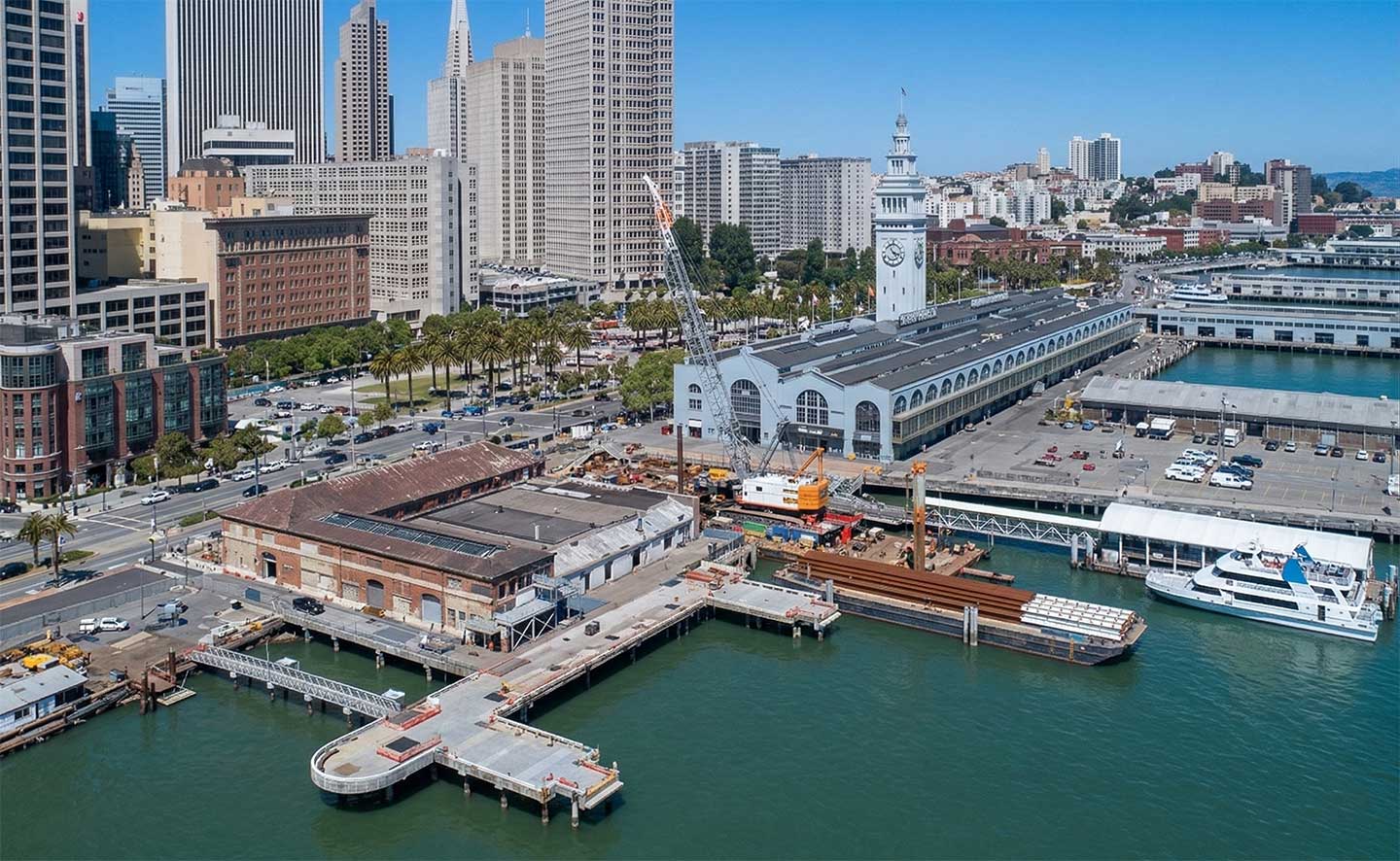
Piers (Docks)
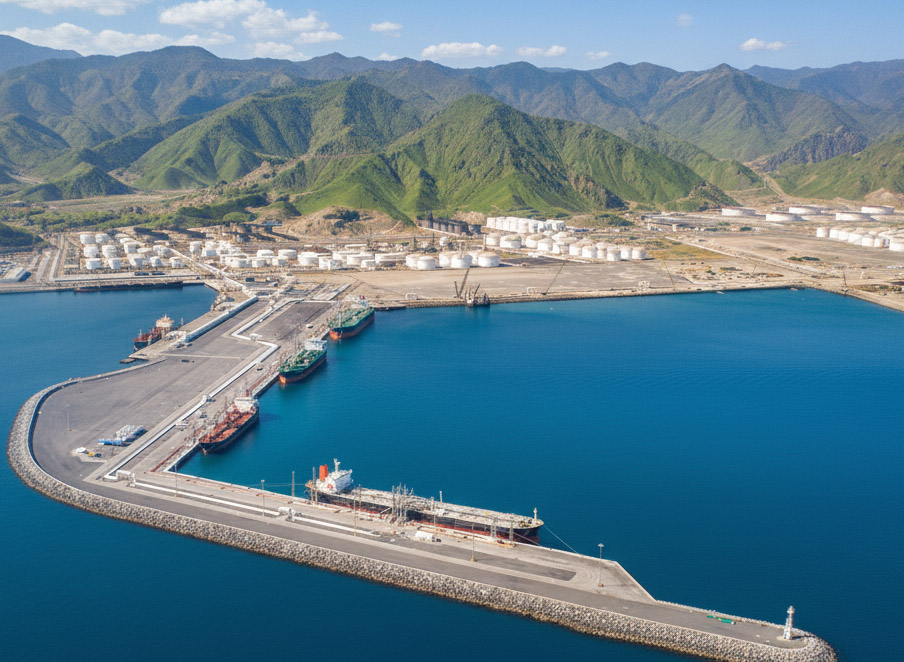
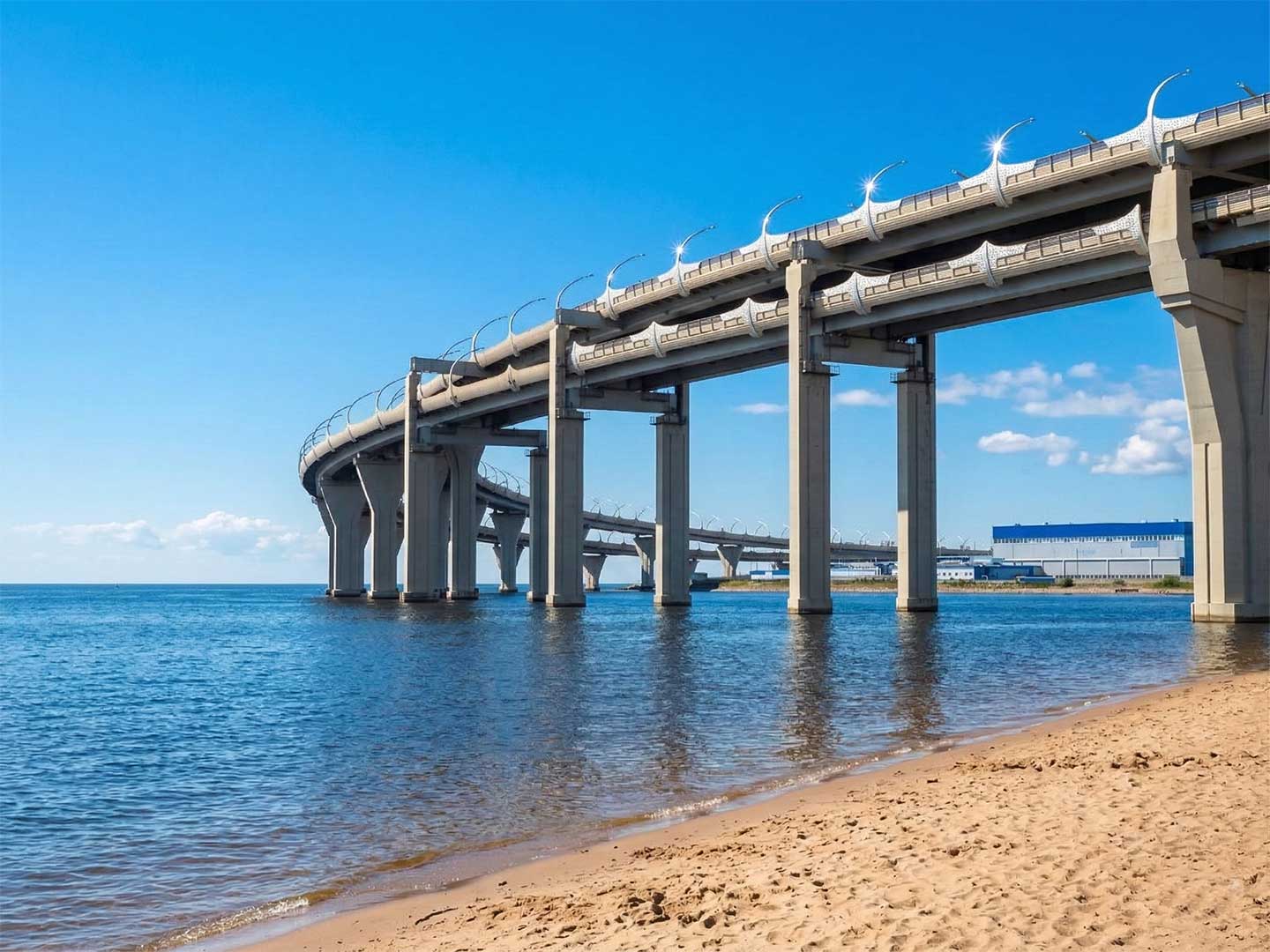
• Structural Demands: Pier structures are located in extreme marine environments continuously exposed to seawater, tidal variations, and airborne salt. The internal rebar serves as the core framework of the structure, withstanding massive wave loads and the impact forces of moored vessels.
• Permanent Resistance: Epoxy GFRP rebar provides perfect resistance to chemical erosion caused by chlorides, fundamentally preventing corrosion at the source in seawater environments and maintaining long-term structural integrity.
• Cost Savings: By dramatically extending the maintenance cycles, it leads to substantial savings in the total Life Cycle Cost (LCC).
• Permanent Resistance: Epoxy GFRP rebar provides perfect resistance to chemical erosion caused by chlorides, fundamentally preventing corrosion at the source in seawater environments and maintaining long-term structural integrity.
• Cost Savings: By dramatically extending the maintenance cycles, it leads to substantial savings in the total Life Cycle Cost (LCC).

PORT AND MARINE FACILITIES
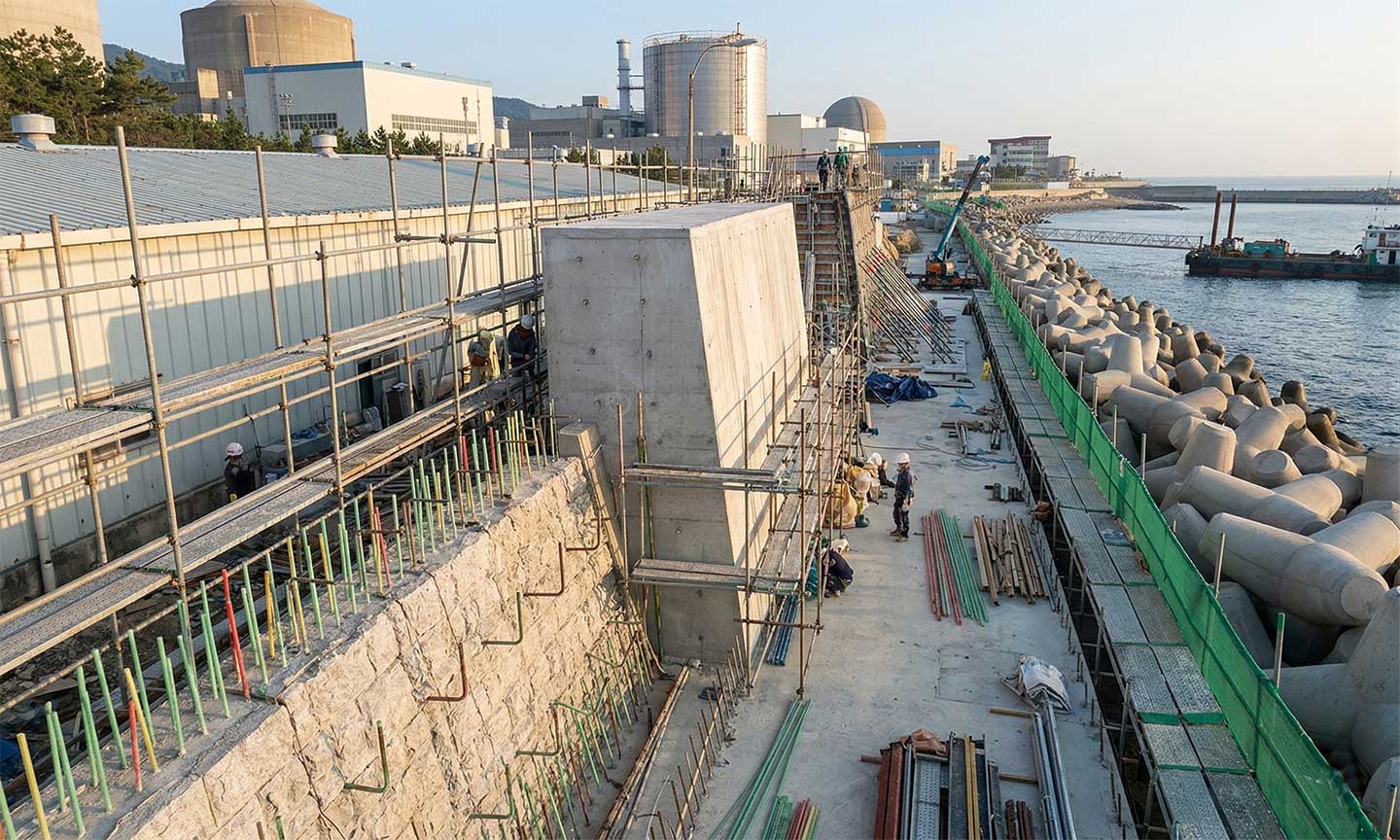
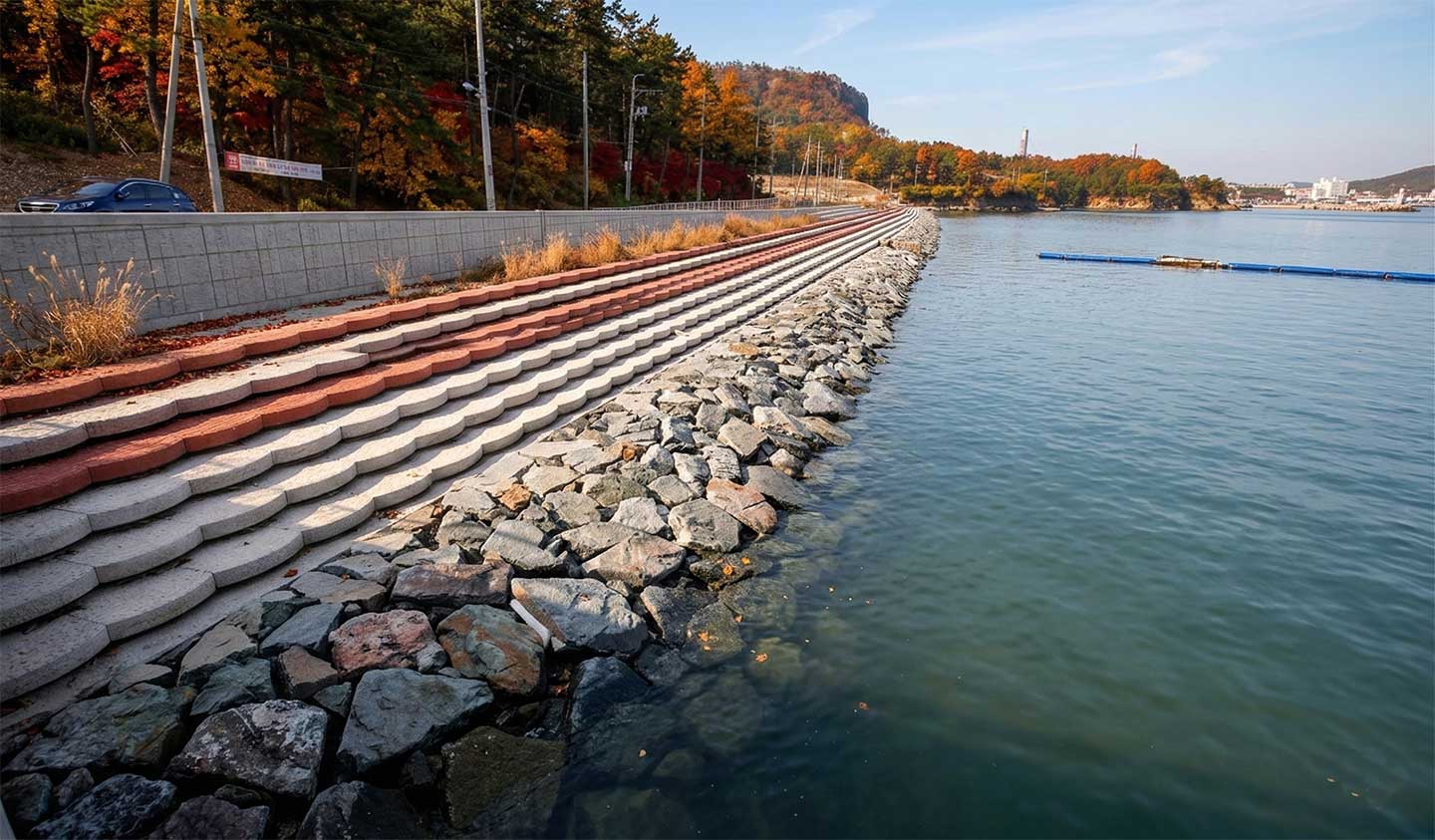
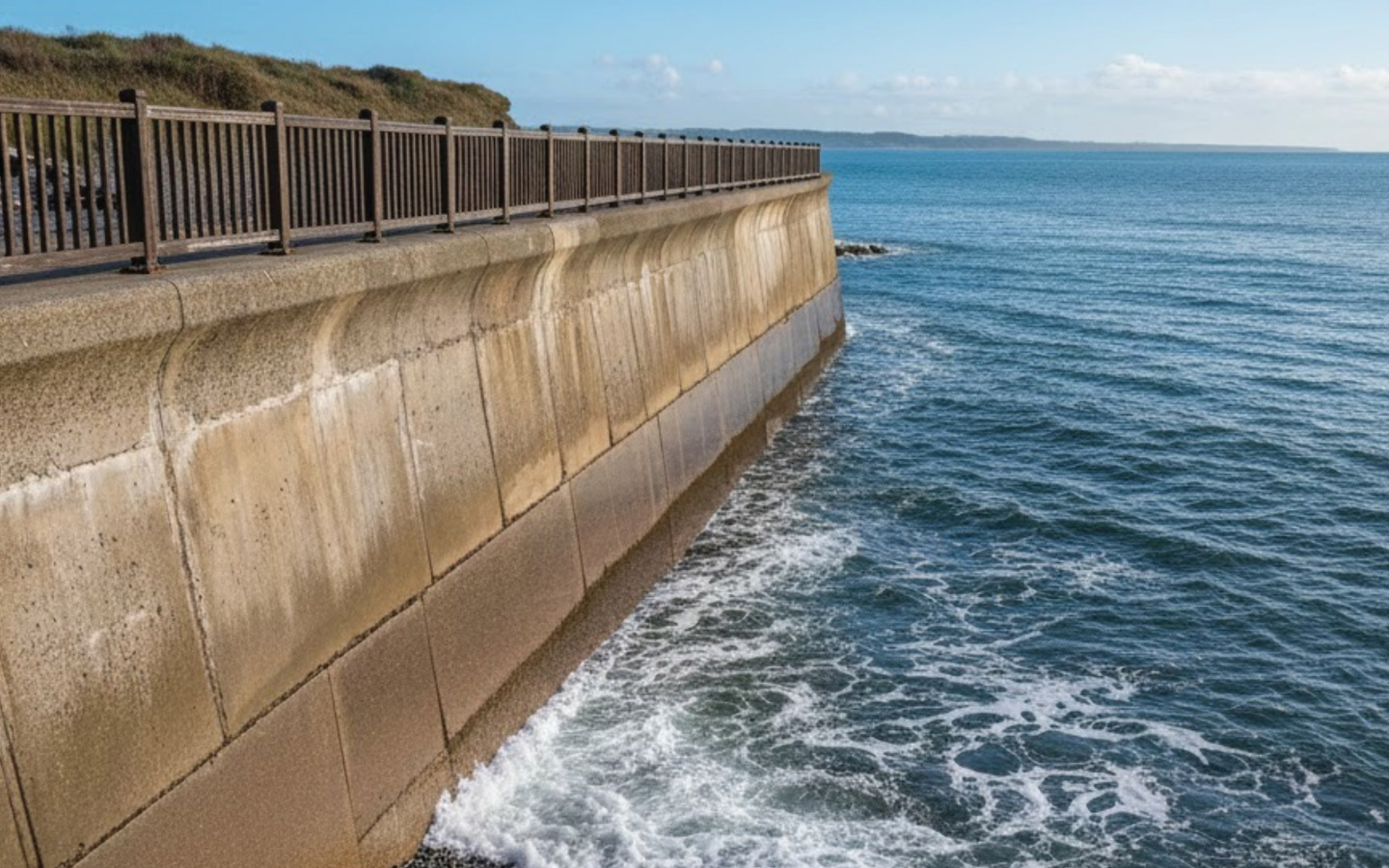
Coastal Retaining Walls
• Constant Pressure: Coastal retaining walls are placed in extreme environments with continuous exposure to airborne salt and the ebb and flow of tidal seawater. The internal rebar acts as the critical framework resisting earth pressure and wave loads across the entire structure.
• Corrosion Blockade: Epoxy GFRP rebar possesses perfect resistance to chloride-induced chemical erosion, completely blocking corrosion at its source in seawater environments and preserving long-term structural integrity.
• Corrosion Blockade: Epoxy GFRP rebar possesses perfect resistance to chloride-induced chemical erosion, completely blocking corrosion at its source in seawater environments and preserving long-term structural integrity.

PORT AND MARINE FACILITIES
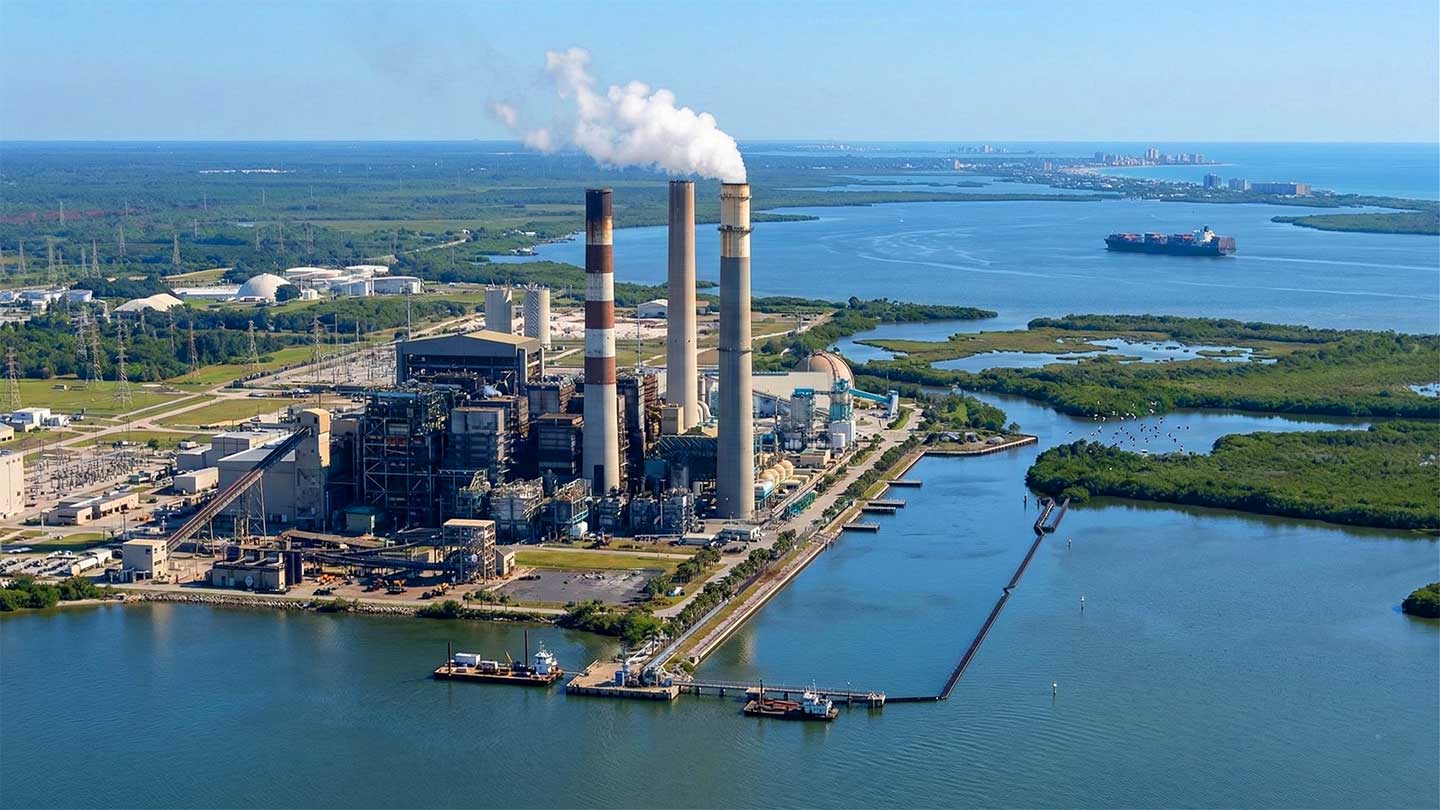
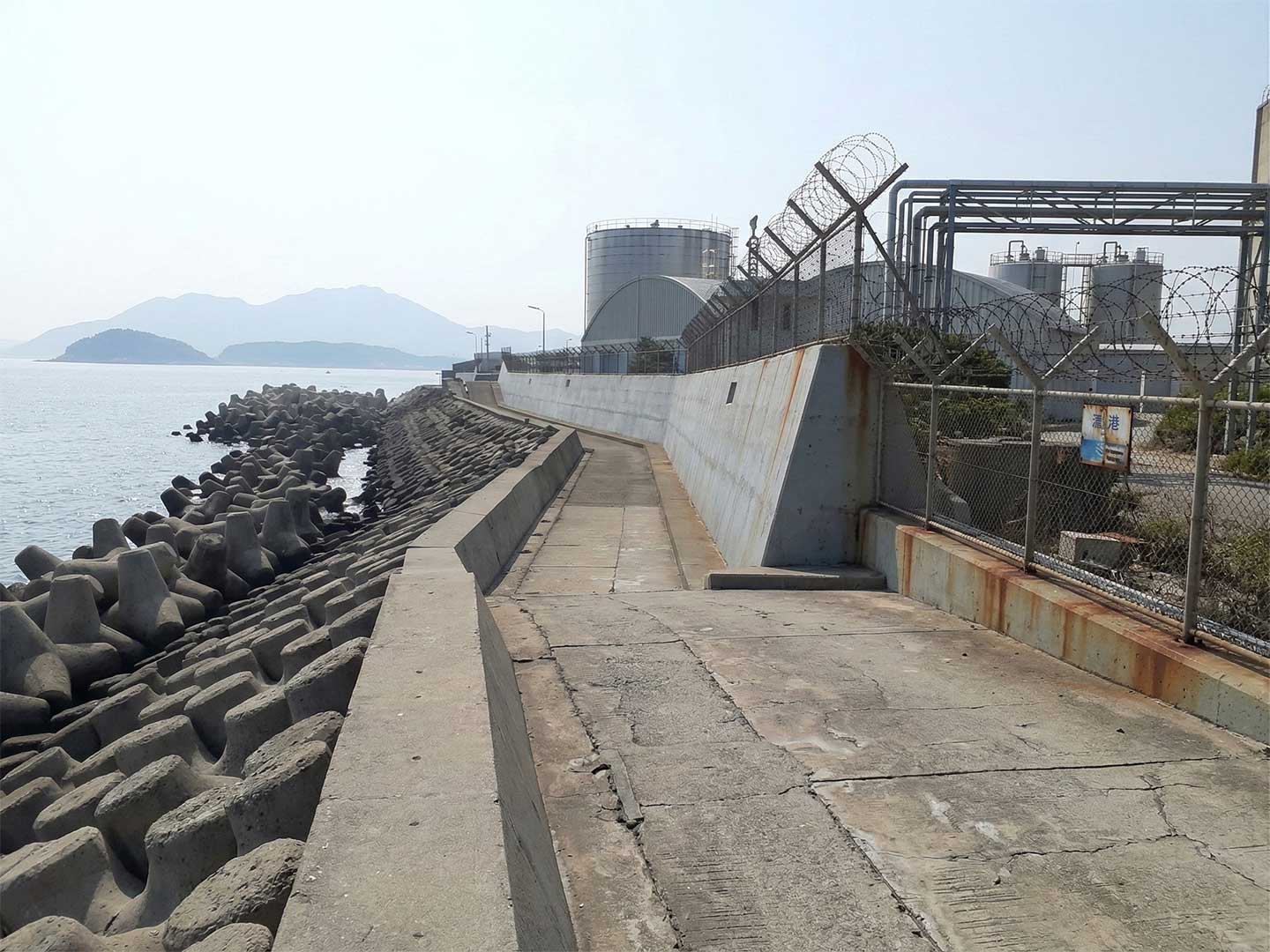
Coastal Plants
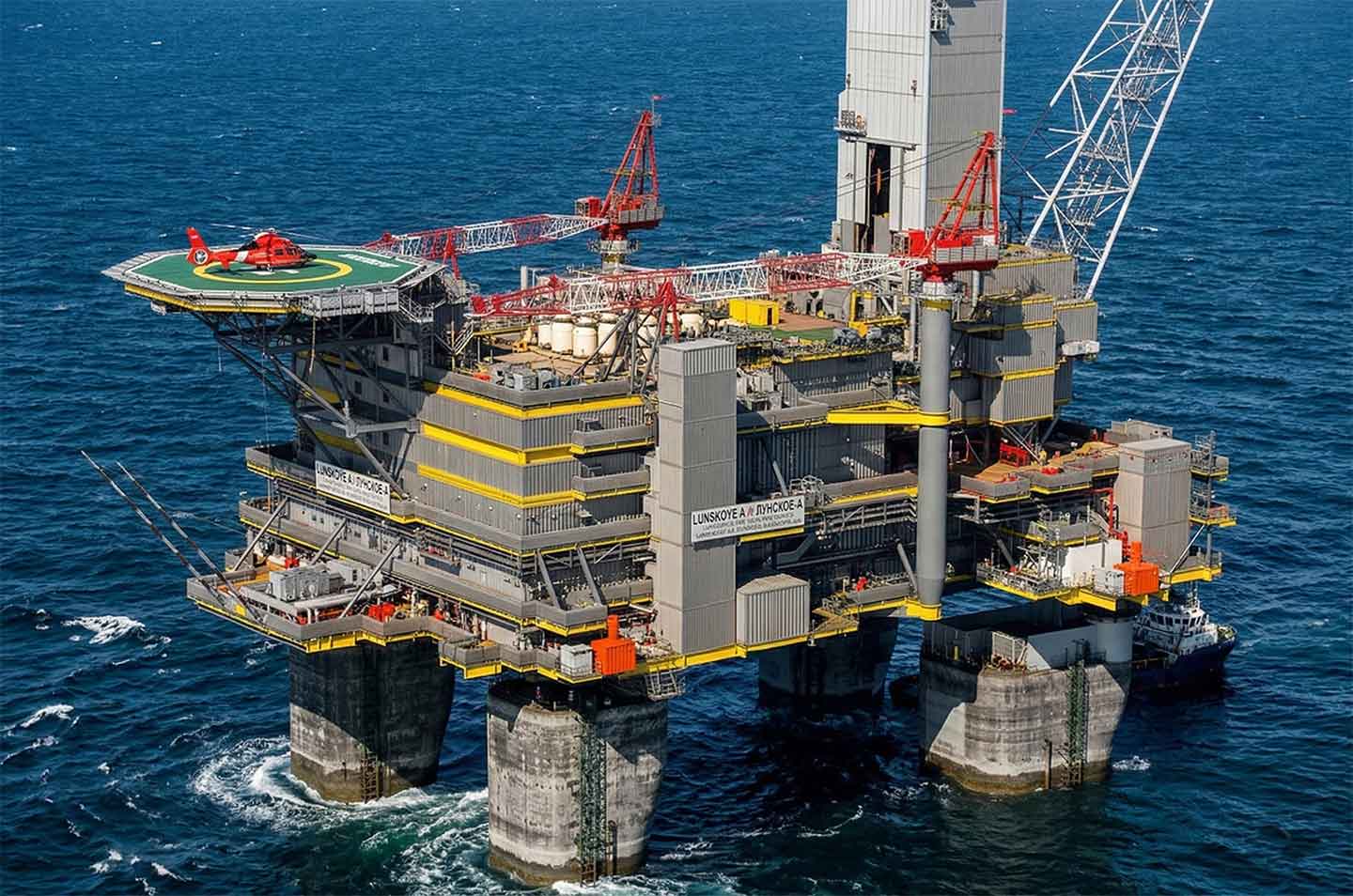
• Combined Extremes: Coastal plant facilities are exposed to extreme conditions that combine continuous airborne salt, high humidity, and aggressive industrial chemical environments. The internal reinforcing bars are the core framework supporting large-scale equipment and heavy structures.
• Zero Downtime: Epoxy GFRP rebar remains perfectly inert to chlorides and chemical corrosion. This permanently secures structural durability in coastal plant environments where maintenance is notoriously difficult and operational downtime can be critical.
• Zero Downtime: Epoxy GFRP rebar remains perfectly inert to chlorides and chemical corrosion. This permanently secures structural durability in coastal plant environments where maintenance is notoriously difficult and operational downtime can be critical.



PORT AND MARINE FACILITIES
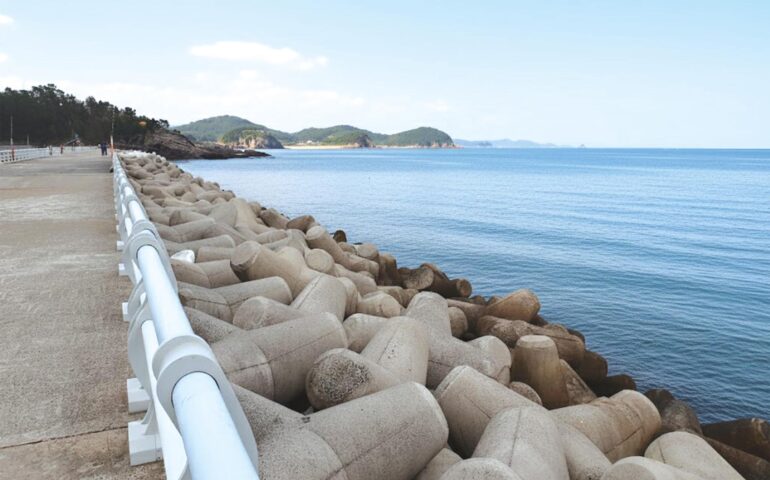
Small Structures (Tetrapods, Artificial Reefs)
• Direct Impact: Small-scale marine concrete structures, such as tetrapods and artificial reefs, are installed in extreme environments where they must constantly endure direct seawater exposure and wave energy. The internal rebar is the vital framework that maintains the structure's shape and ensures durability.
• Zero Maintenance: By replacing traditional steel with Epoxy GFRP rebar, you secure perfect durability against salt damage and maintain permanent structural integrity without any fear of corrosion. It is the optimal solution for driving maintenance costs down to zero in marine environments where structural repairs and replacements are exceptionally difficult.
• Zero Maintenance: By replacing traditional steel with Epoxy GFRP rebar, you secure perfect durability against salt damage and maintain permanent structural integrity without any fear of corrosion. It is the optimal solution for driving maintenance costs down to zero in marine environments where structural repairs and replacements are exceptionally difficult.