Applications
CIVIL ENGINEERING
Roads / Bridges / Dams / Railways / Tunnels / Median Barriers, etc.
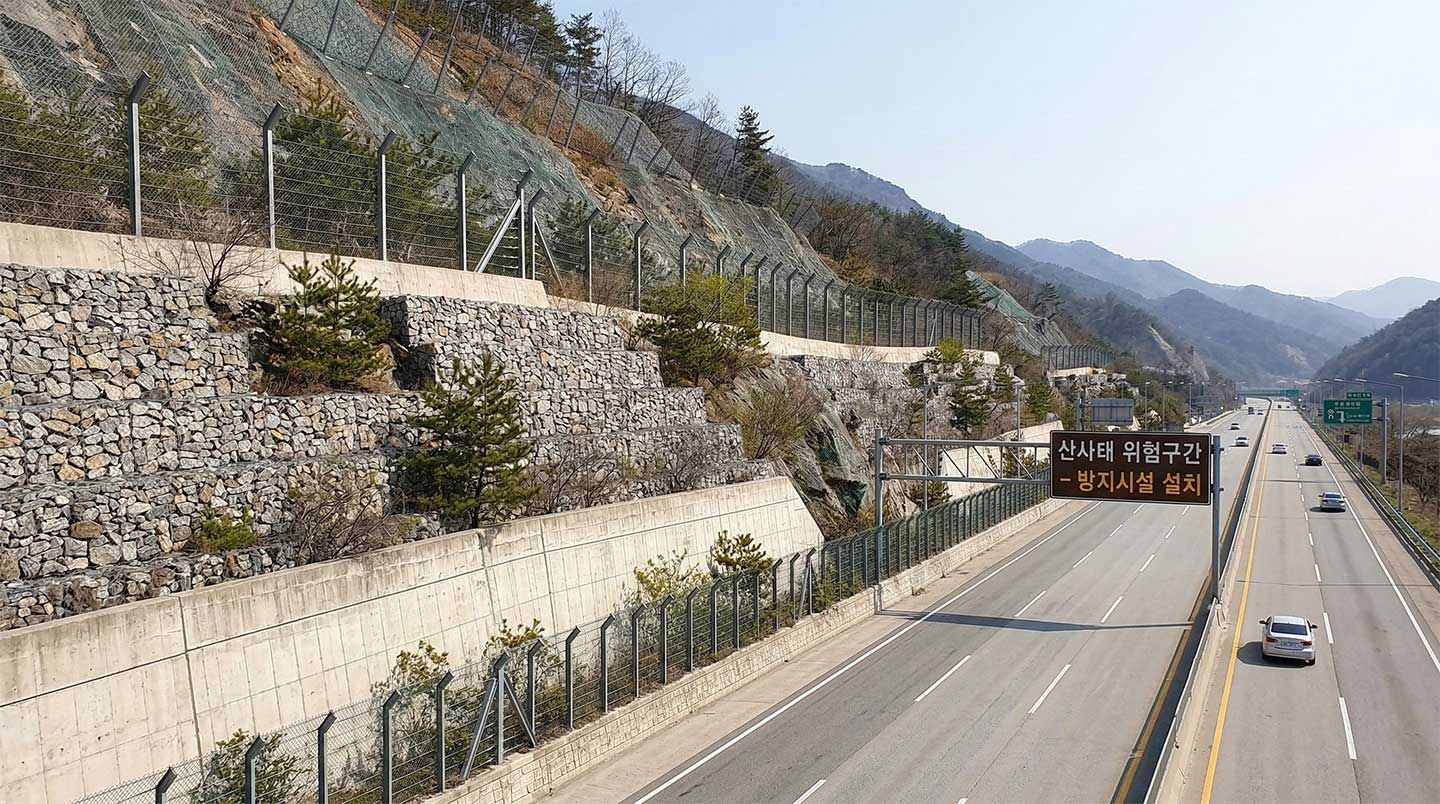
• The Backbone of Infrastructure: Various concrete structures in the civil engineering field form the foundation of our social infrastructure. The internal reinforcing bars act as the core framework, sharing the overall load of the structure and reinforcing tensile strength to ensure structural safety.
• The Optimal Solution: When replaced with Epoxy GFRP rebar, these structures become fundamentally free from electrochemical corrosion, demonstrating exceptional durability even in civil engineering environments with high moisture and salt exposure. With its lightweight nature and high tensile strength, it improves constructability and serves as the optimal solution for drastically reducing the total Life Cycle Cost (LCC).
• The Backbone of Infrastructure: Various concrete structures in the civil engineering field form the foundation of our social infrastructure. The internal reinforcing bars act as the core framework, sharing the overall load of the structure and reinforcing tensile strength to ensure structural safety.
• The Optimal Solution: When replaced with Epoxy GFRP rebar, these structures become fundamentally free from electrochemical corrosion, demonstrating exceptional durability even in civil engineering environments with high moisture and salt exposure. With its lightweight nature and high tensile strength, it improves constructability and serves as the optimal solution for drastically reducing the total Life Cycle Cost (LCC).


CIVIL ENGINEERING
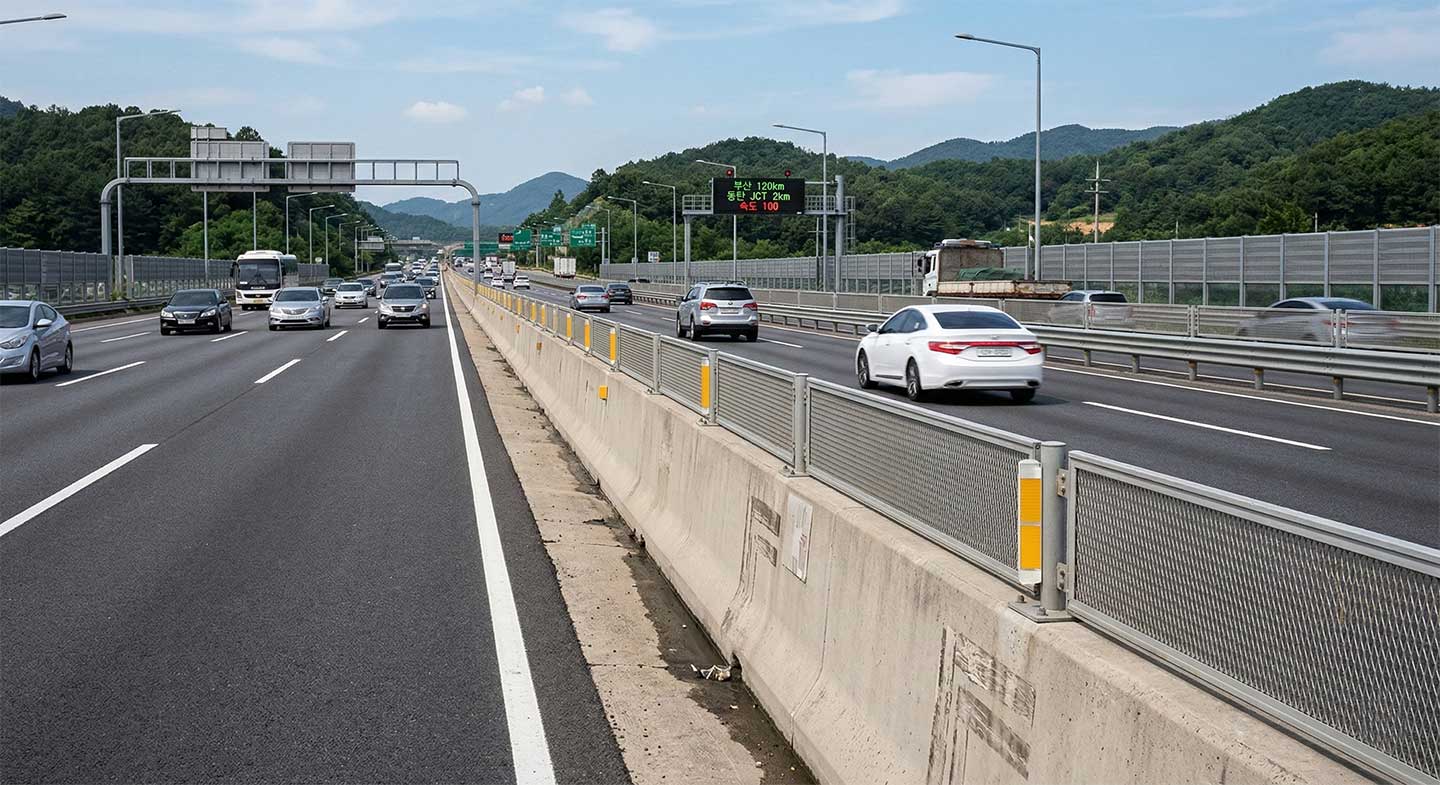
Roads
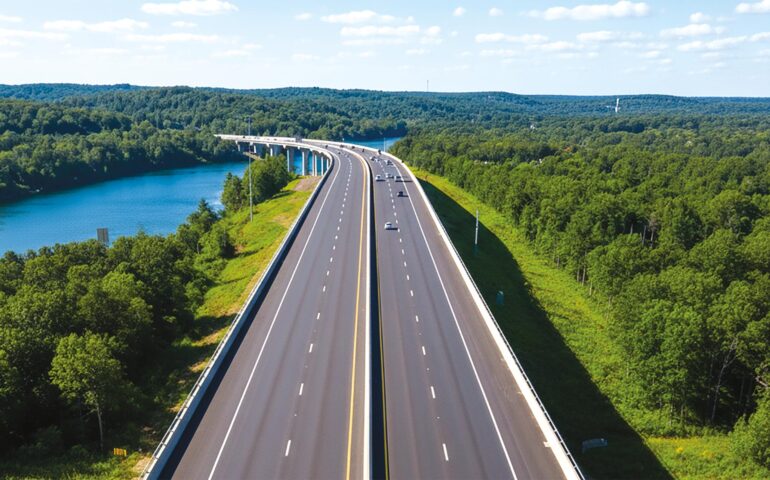
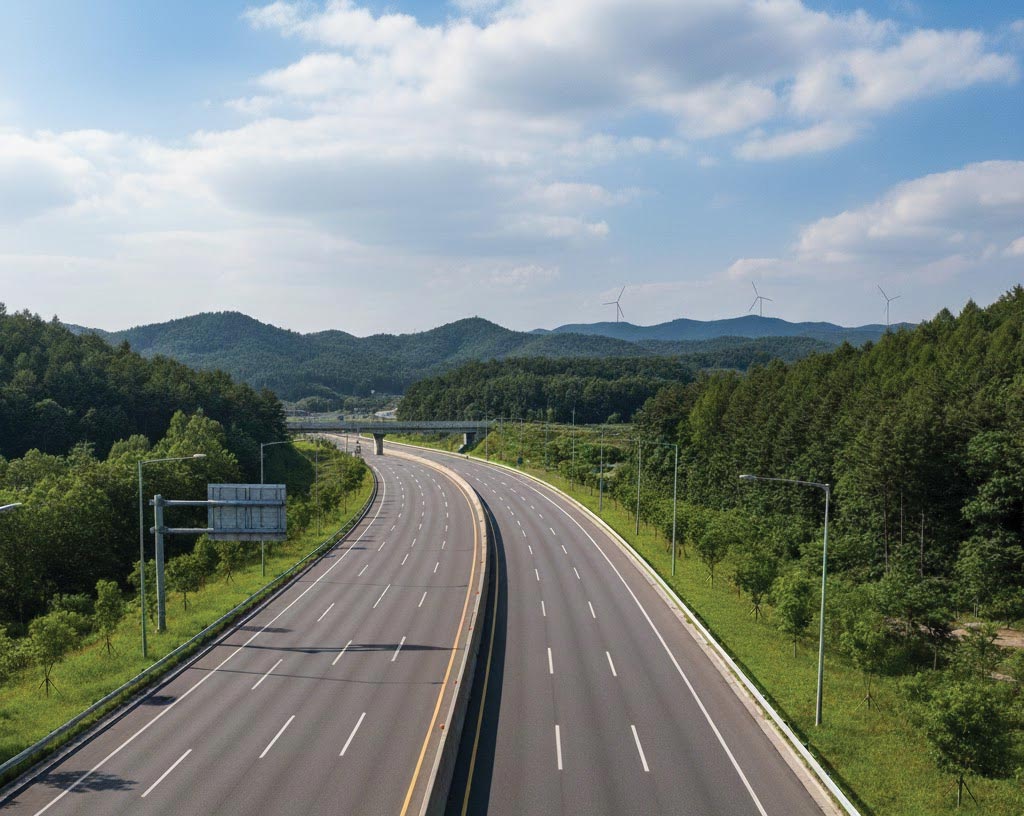
• Constant Exposure: Roads are infrastructures directly exposed to constant weather changes and the repetitive moving loads of vehicles.
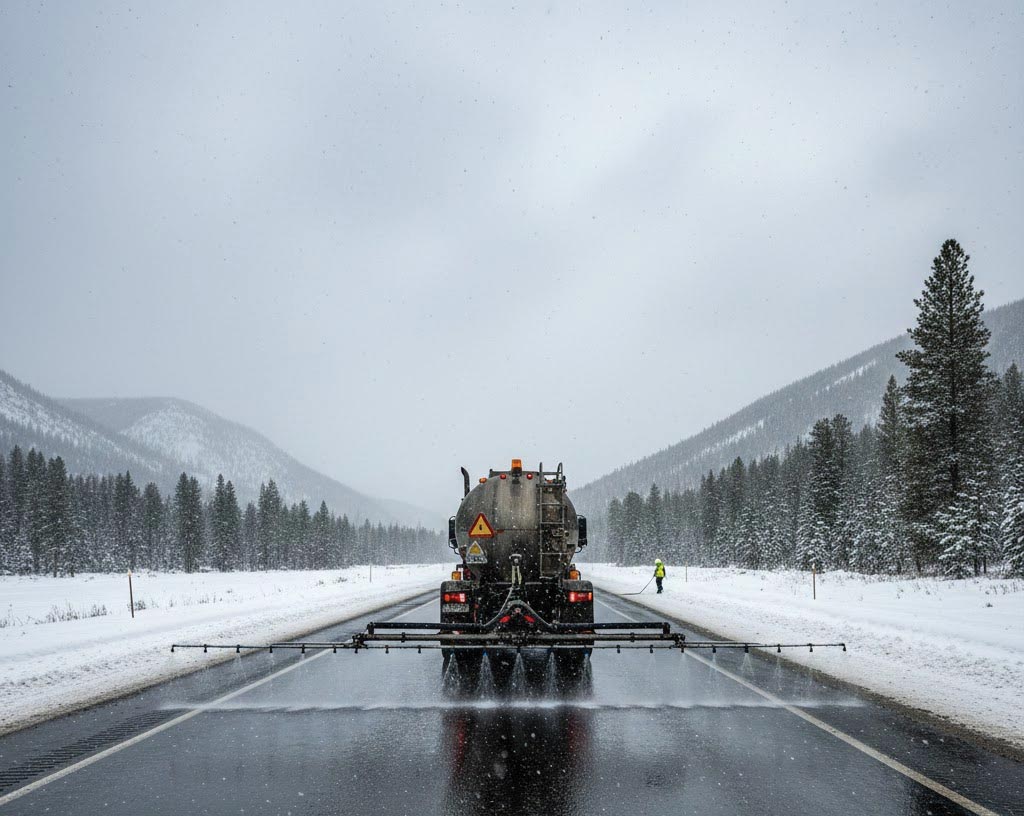
• Salt Damage Immunity: Epoxy GFRP rebar is completely immune to chemical erosion caused by chlorides, making it highly resistant to salt damage. Even in environments with frequent use of de-icing agents in winter, it prevents deterioration and drastically extends the repair and repaving cycles of roads, thereby optimizing overall maintenance costs.
• Salt Damage Immunity: Epoxy GFRP rebar is completely immune to chemical erosion caused by chlorides, making it highly resistant to salt damage. Even in environments with frequent use of de-icing agents in winter, it prevents deterioration and drastically extends the repair and repaving cycles of roads, thereby optimizing overall maintenance costs.


CIVIL ENGINEERING
Bridges
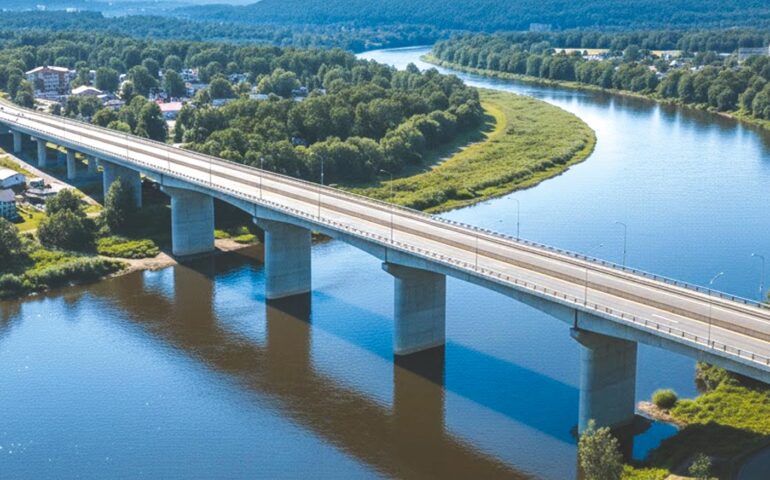
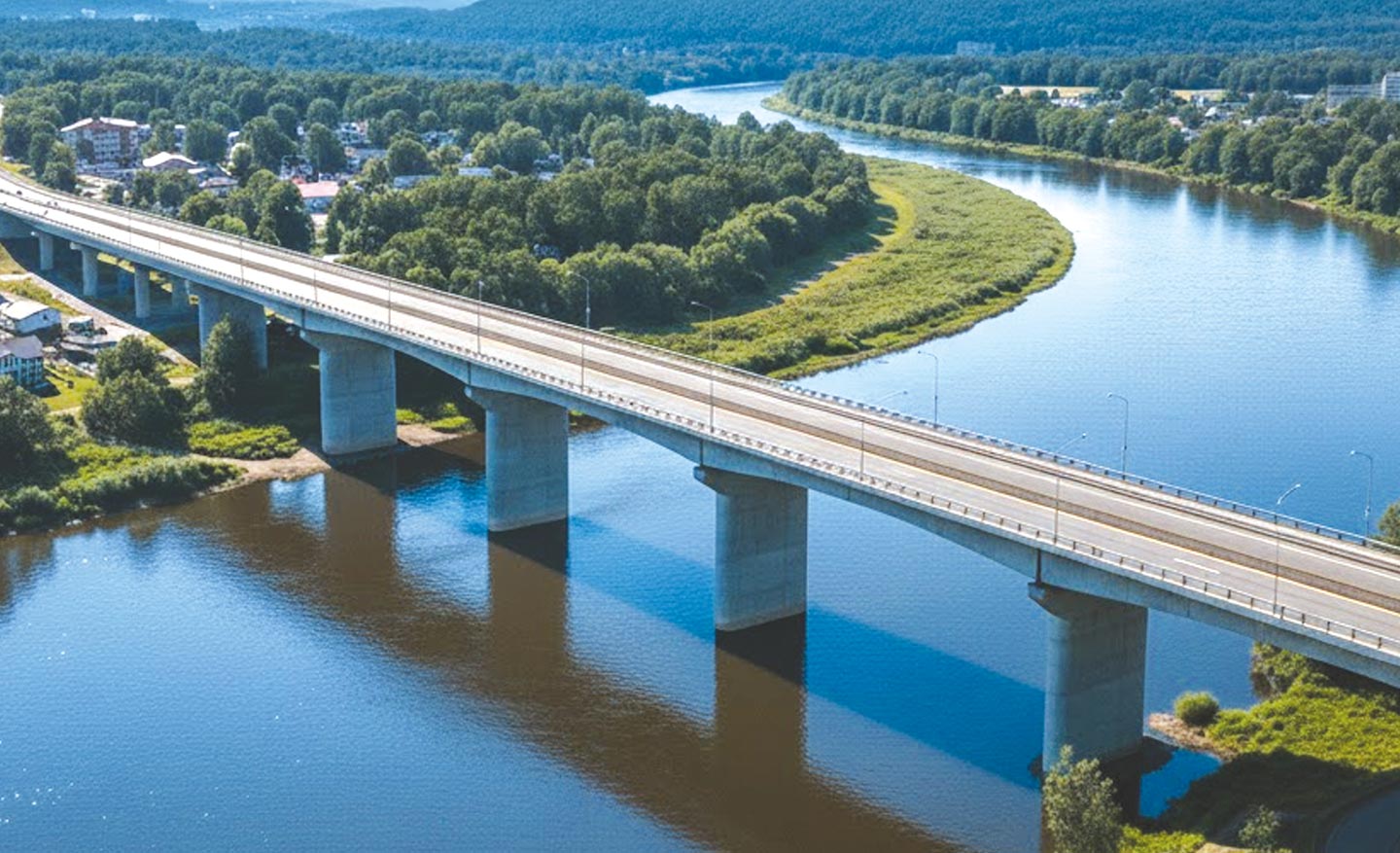
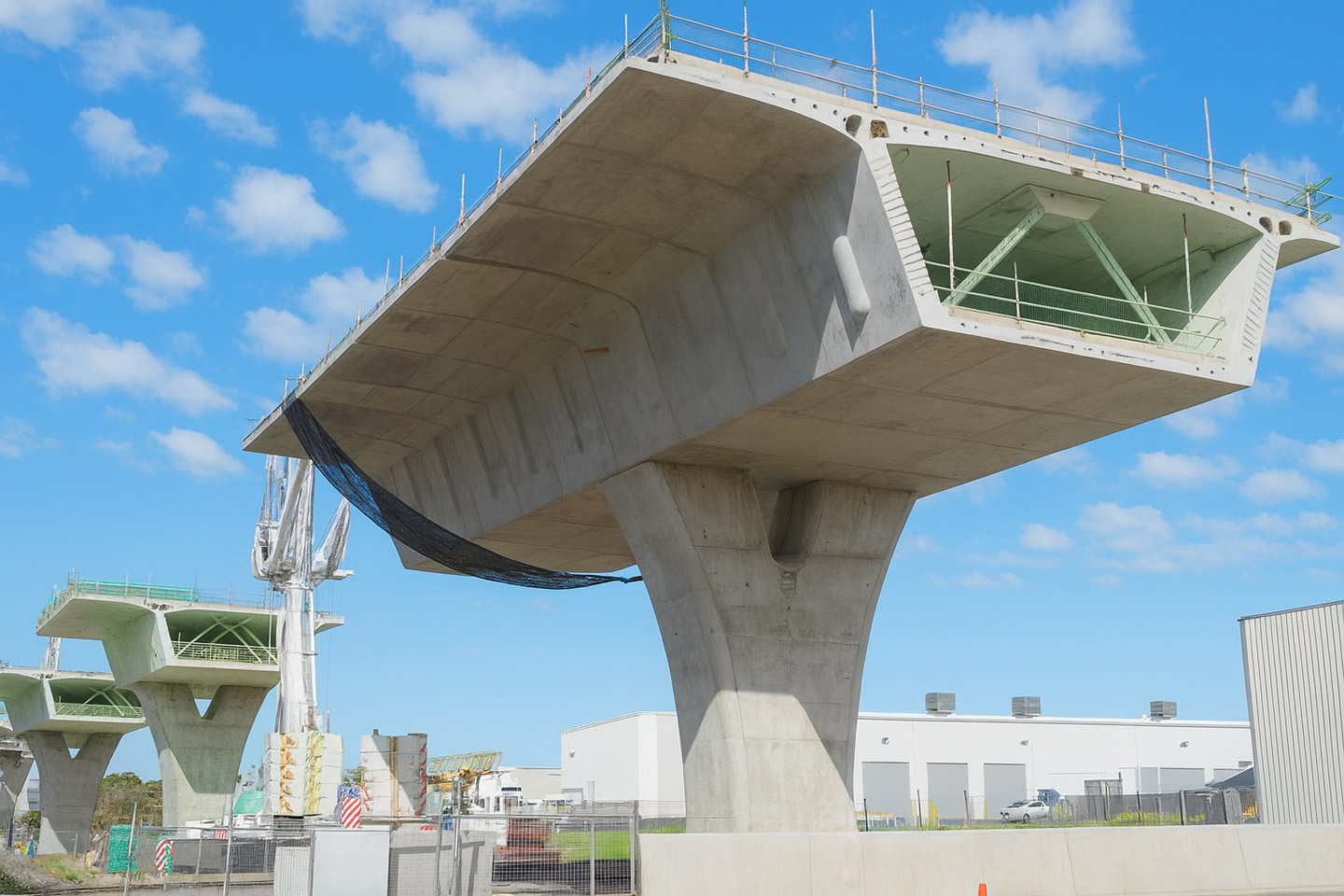
• Extreme Corrosive Environments: Bridges are not only constantly exposed to the atmosphere but are also placed in extreme corrosive environments due to winter de-icing agents (calcium chloride) and coastal salinity. The reinforcing bars within the concrete act as the core framework maintaining the structural integrity of the bridge deck and piers.
• Load and Cost Reduction: By substituting traditional steel with Epoxy GFRP rebar, the lifespan of the bridge is extended. It minimizes the need for separate waterproofing materials or thick concrete cover for salt damage prevention, significantly reducing the total Life Cycle Cost (LCC). Furthermore, its lightweight nature contributes to reducing the dead load burden on the bridge itself.
• Load and Cost Reduction: By substituting traditional steel with Epoxy GFRP rebar, the lifespan of the bridge is extended. It minimizes the need for separate waterproofing materials or thick concrete cover for salt damage prevention, significantly reducing the total Life Cycle Cost (LCC). Furthermore, its lightweight nature contributes to reducing the dead load burden on the bridge itself.


CIVIL ENGINEERING
Dams
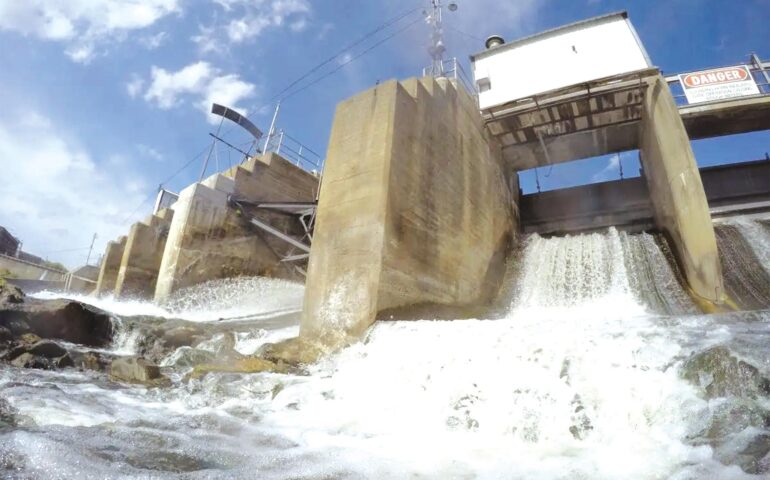
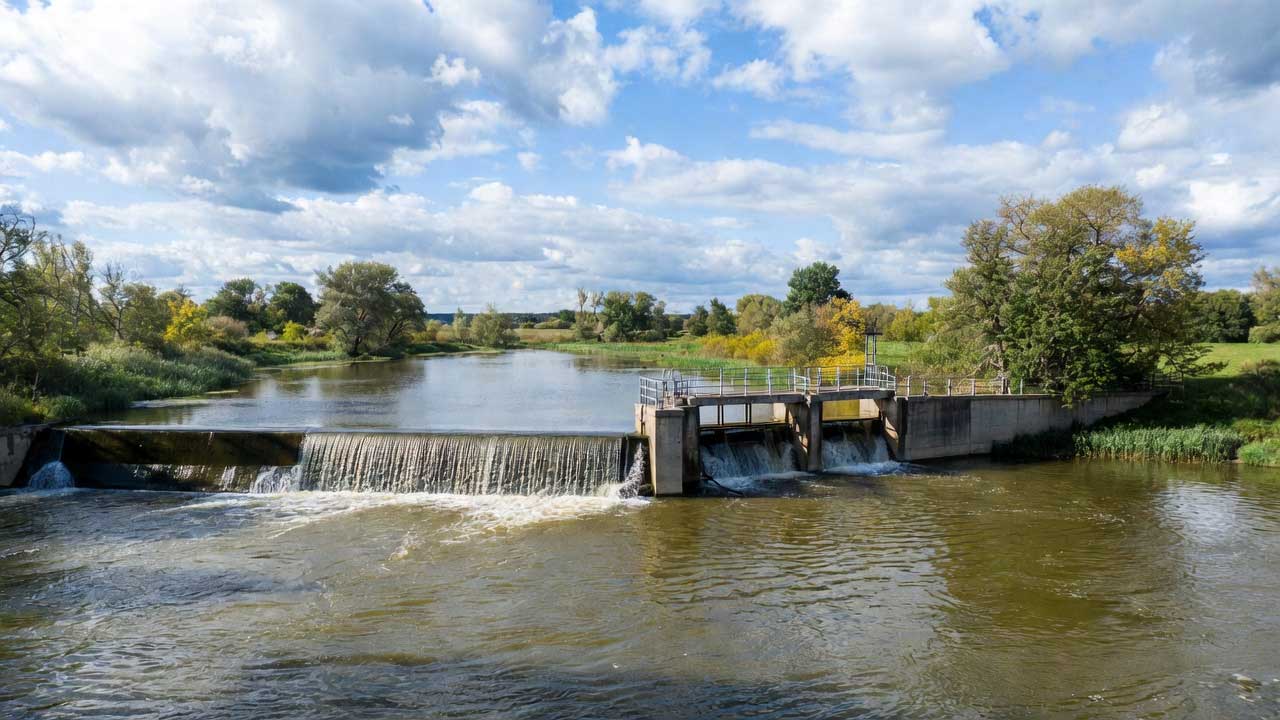
• Submerged Extremes: Large-scale hydraulic structures like dams are placed in extreme submerged environments, in constant direct contact with high-pressure water. The internal rebar acts as the crucial "framework" that must maintain structural integrity for decades.
• Zero Chemical Reaction: Epoxy GFRP rebar does not chemically react with water at all, making it completely free from corrosion. It is the optimal alternative that can drastically lower the Life Cycle Cost (LCC) for structures like dams, where long-term lifespan and maintenance efficiency are absolutely critical.
• Zero Chemical Reaction: Epoxy GFRP rebar does not chemically react with water at all, making it completely free from corrosion. It is the optimal alternative that can drastically lower the Life Cycle Cost (LCC) for structures like dams, where long-term lifespan and maintenance efficiency are absolutely critical.


CIVIL ENGINEERING
Railways
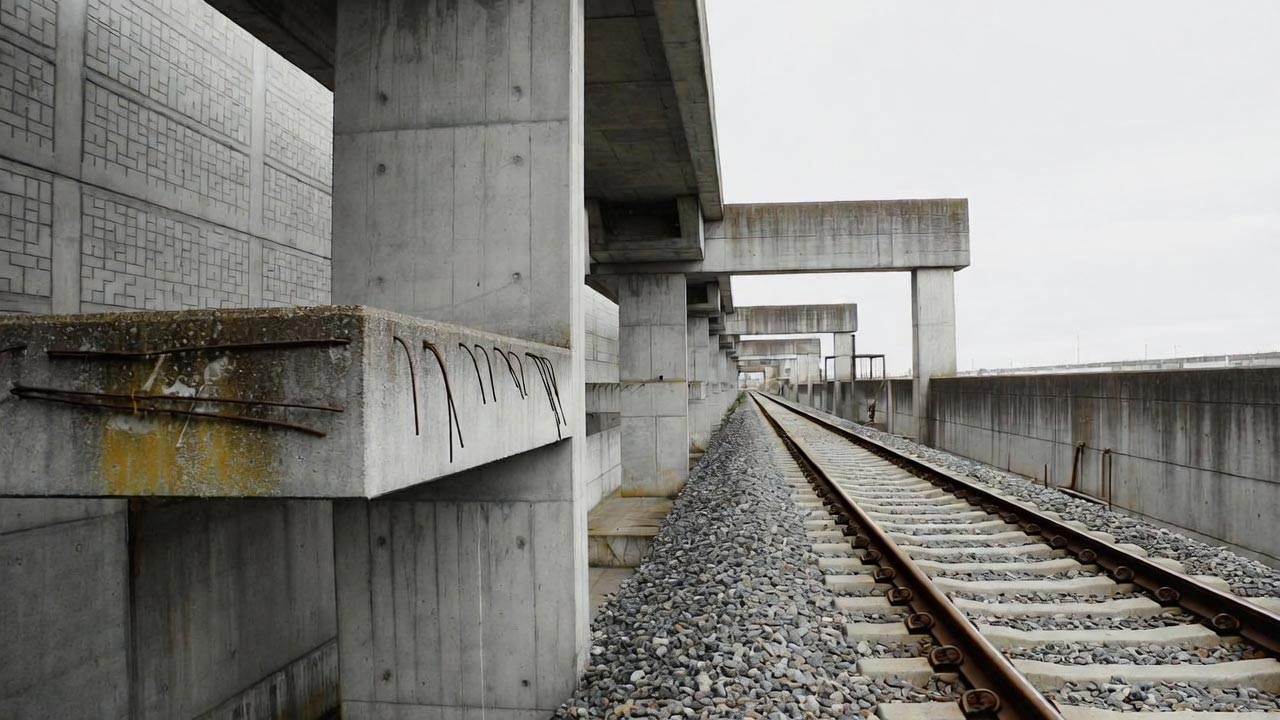
• Dynamic Loads & Stray Currents: Railway concrete structures face severe environmental exposures, including repetitive dynamic loads and vibrations from train operations, as well as stray currents. The reinforcing bars within the concrete are the core elements that maintain structural integrity under these conditions.
• Fatigue Resistance & Insulation: Replacing steel with Epoxy GFRP rebar ensures freedom from electromagnetic interference and provides perfect resistance to electrochemical corrosion. With its outstanding fatigue resistance and lightweight properties, it drastically reduces the long-term maintenance costs of railway structures.
• Fatigue Resistance & Insulation: Replacing steel with Epoxy GFRP rebar ensures freedom from electromagnetic interference and provides perfect resistance to electrochemical corrosion. With its outstanding fatigue resistance and lightweight properties, it drastically reduces the long-term maintenance costs of railway structures.


CIVIL ENGINEERING
Tunnels
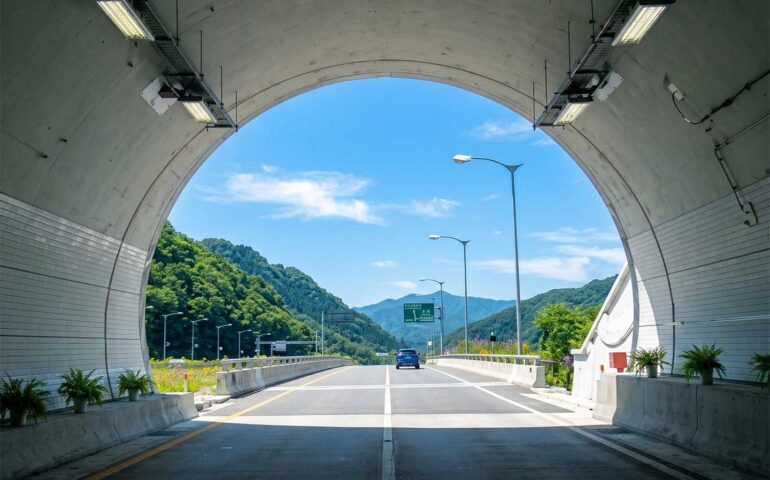
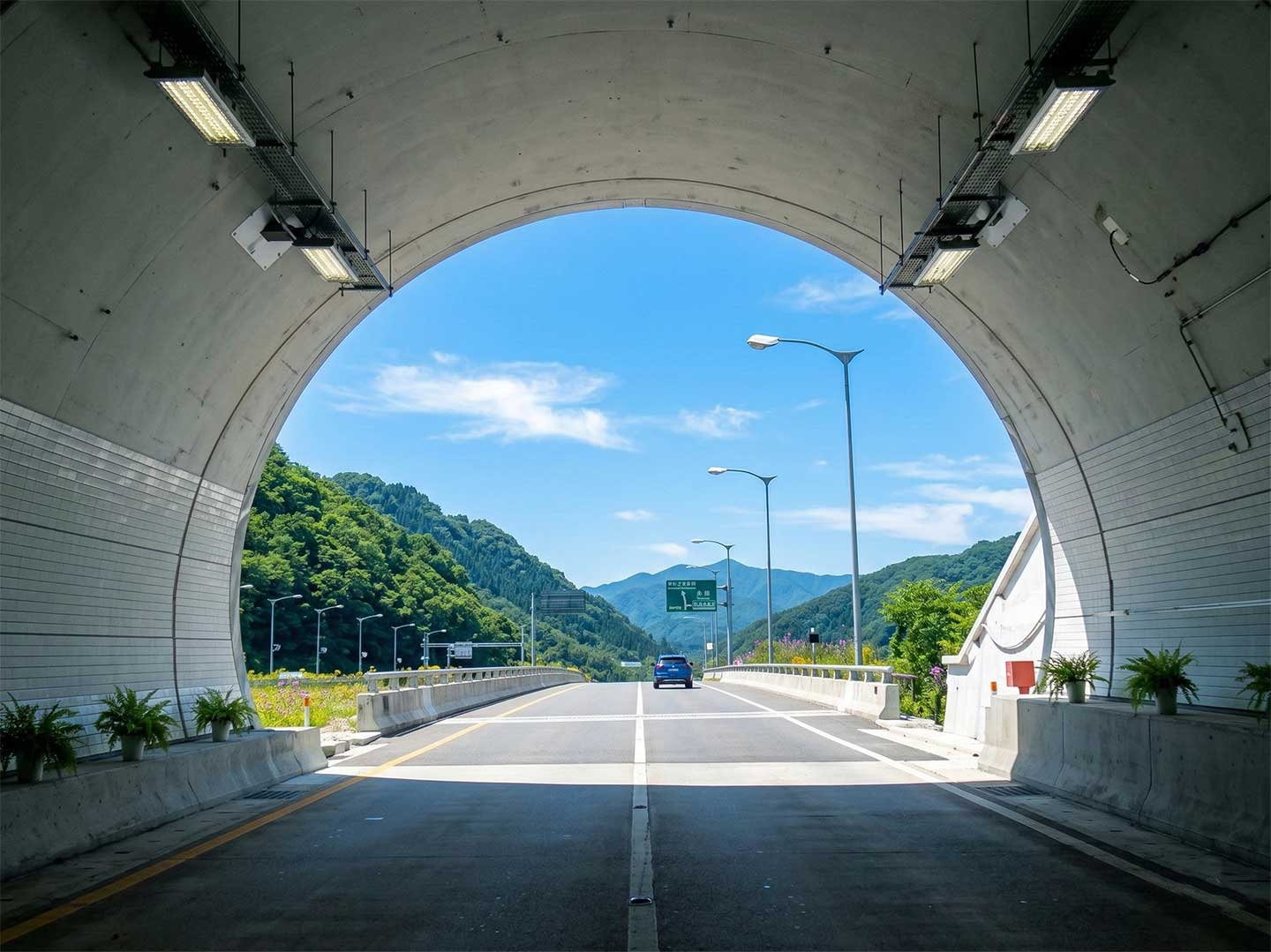
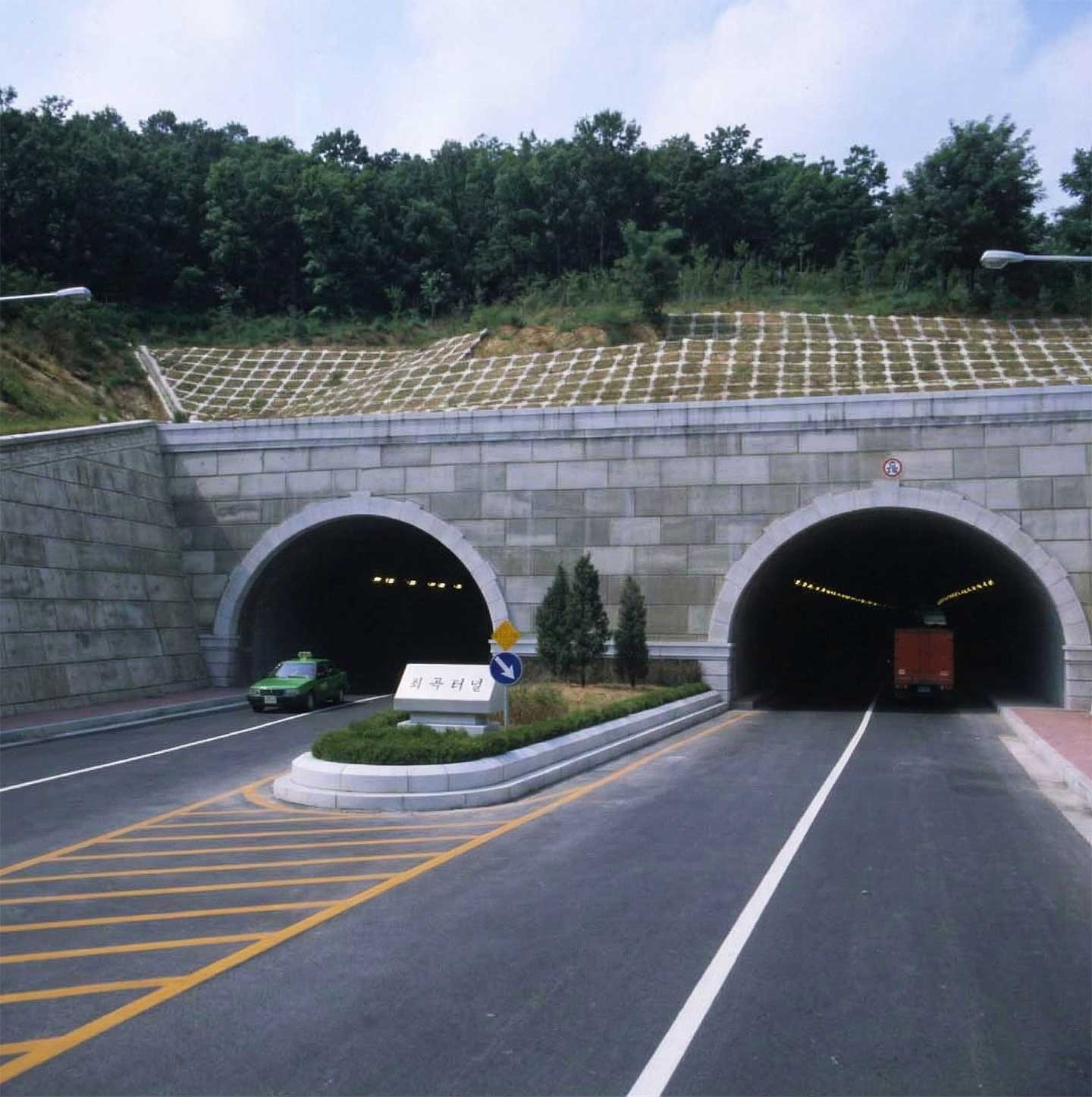
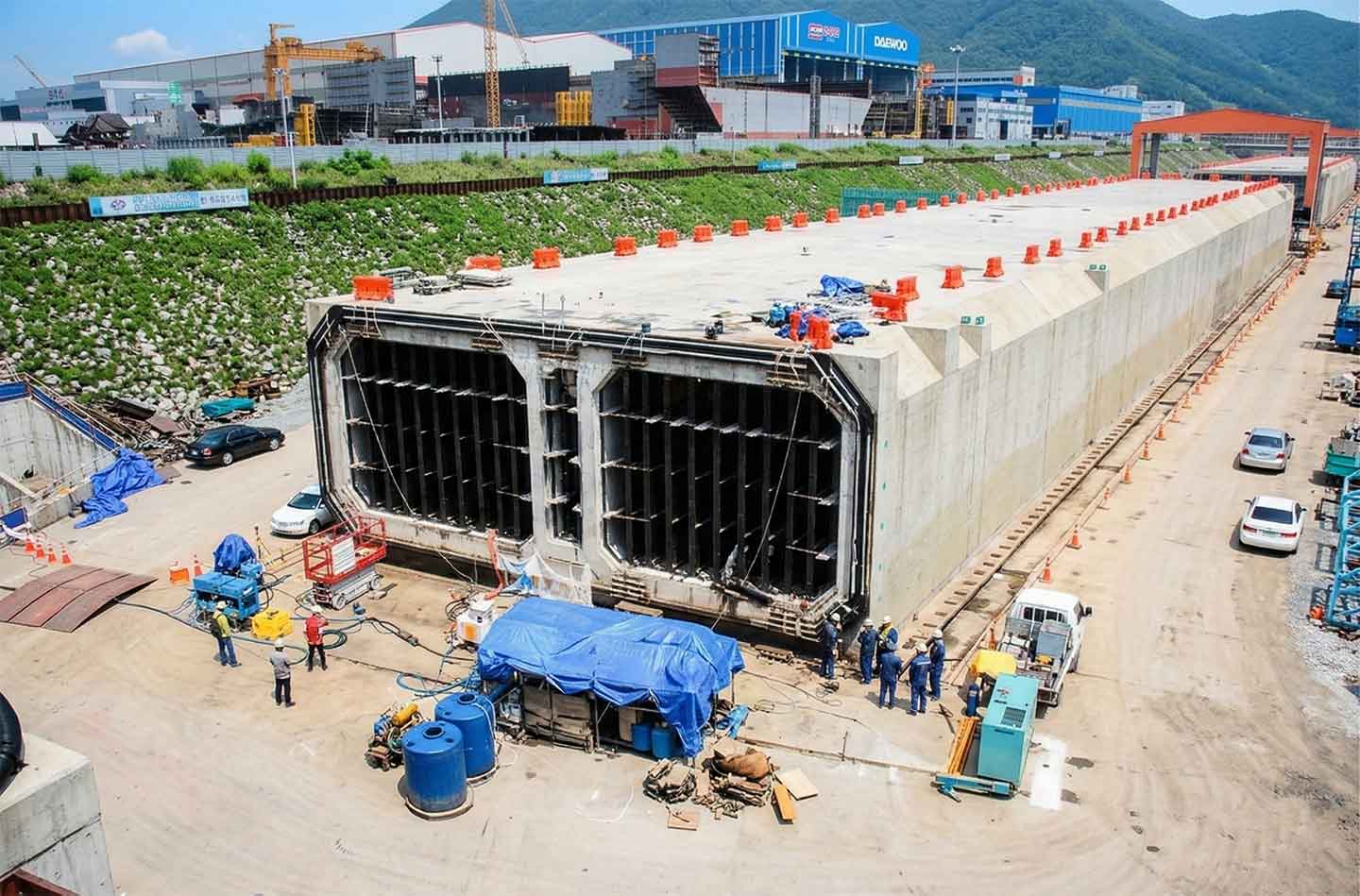
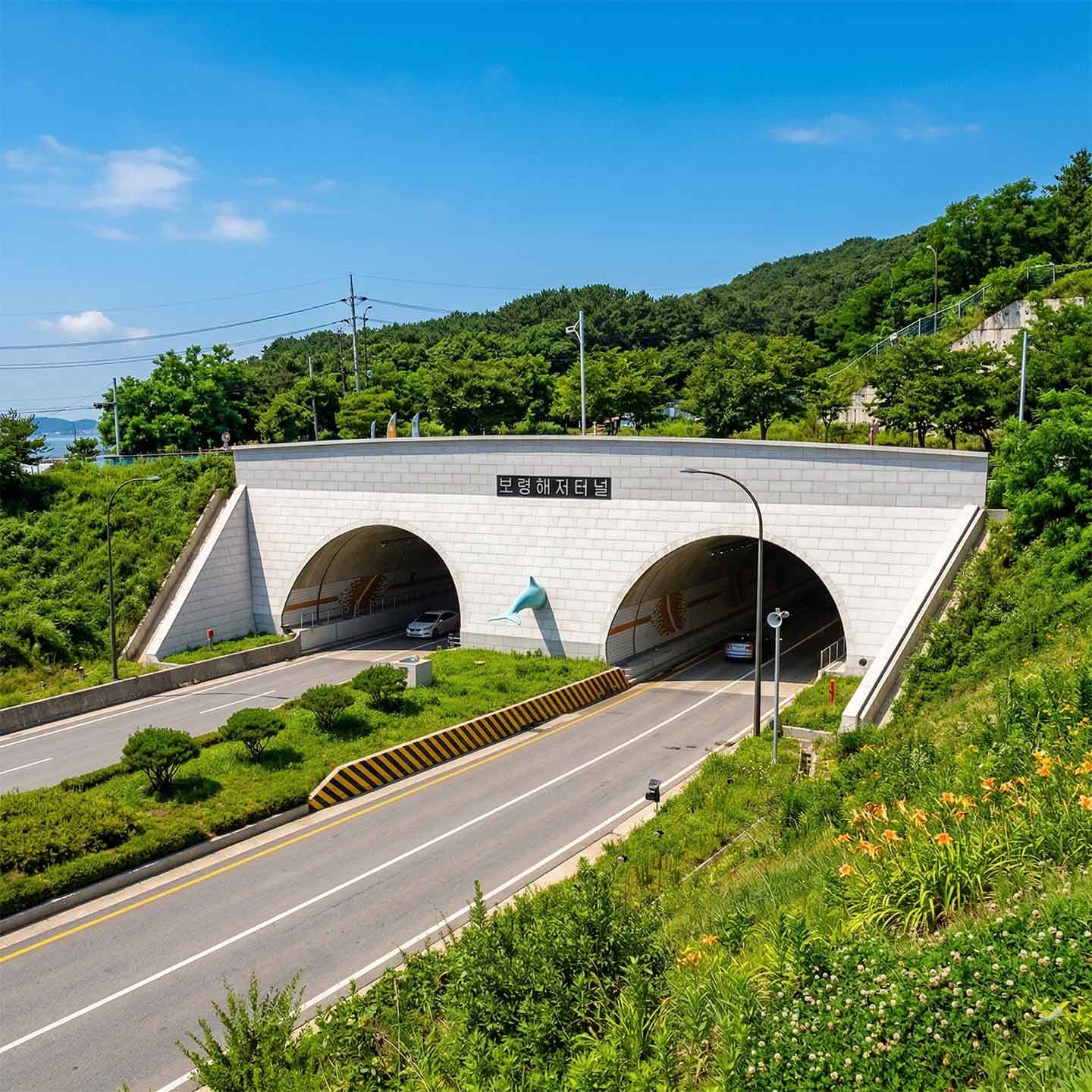
• Immense Pressure: Unlike above-ground structures, tunnels are placed in extreme environments where they must withstand immense earth and water pressure, resulting in constant, continuous micro-deformations.
• The Ultimate Alternative: Epoxy GFRP rebar is the exact alternative to solve all these stringent requirements, offering non-corrosiveness, high tensile strength, electrical and magnetic insulation, and a permanently long lifespan.
• The Ultimate Alternative: Epoxy GFRP rebar is the exact alternative to solve all these stringent requirements, offering non-corrosiveness, high tensile strength, electrical and magnetic insulation, and a permanently long lifespan.
CIVIL ENGINEERING
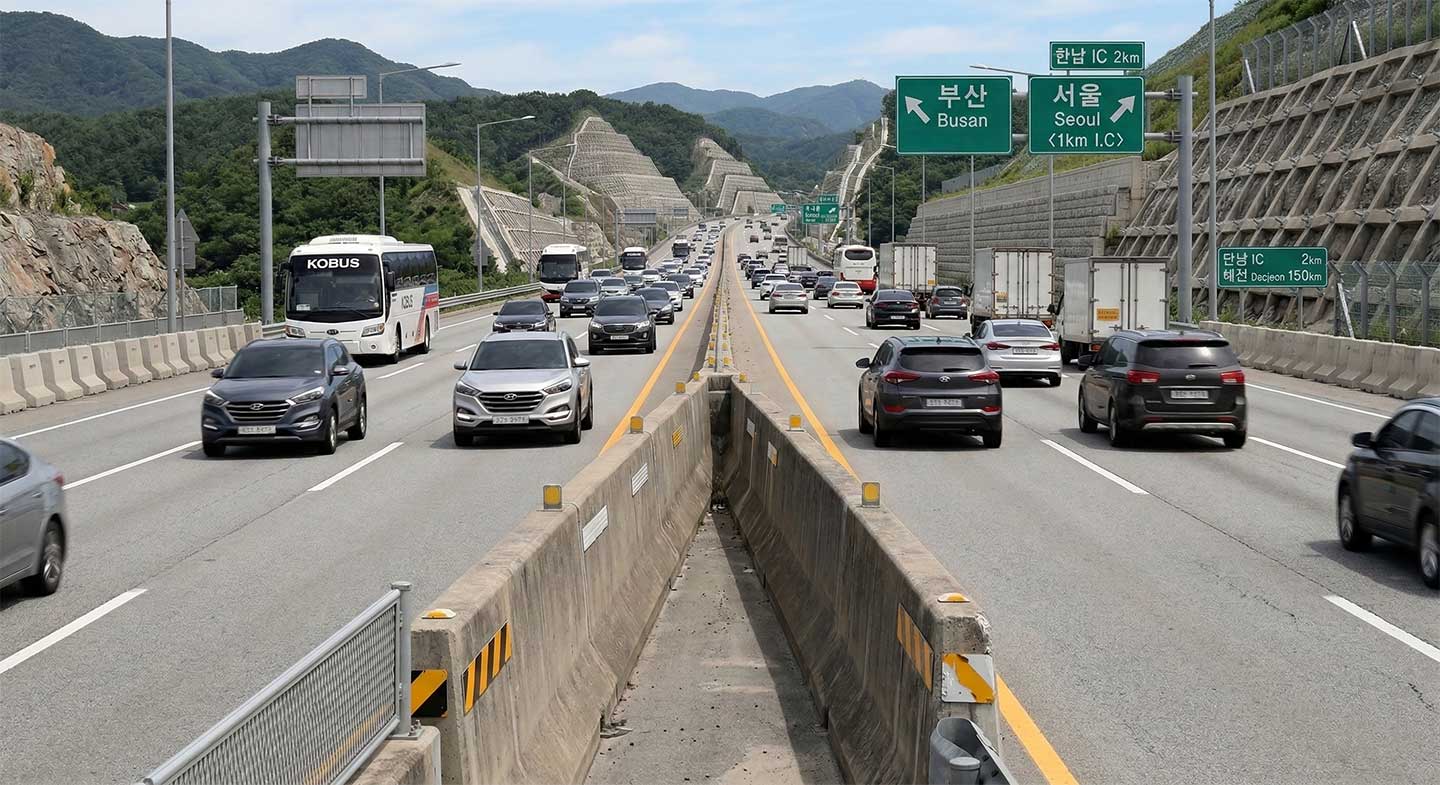
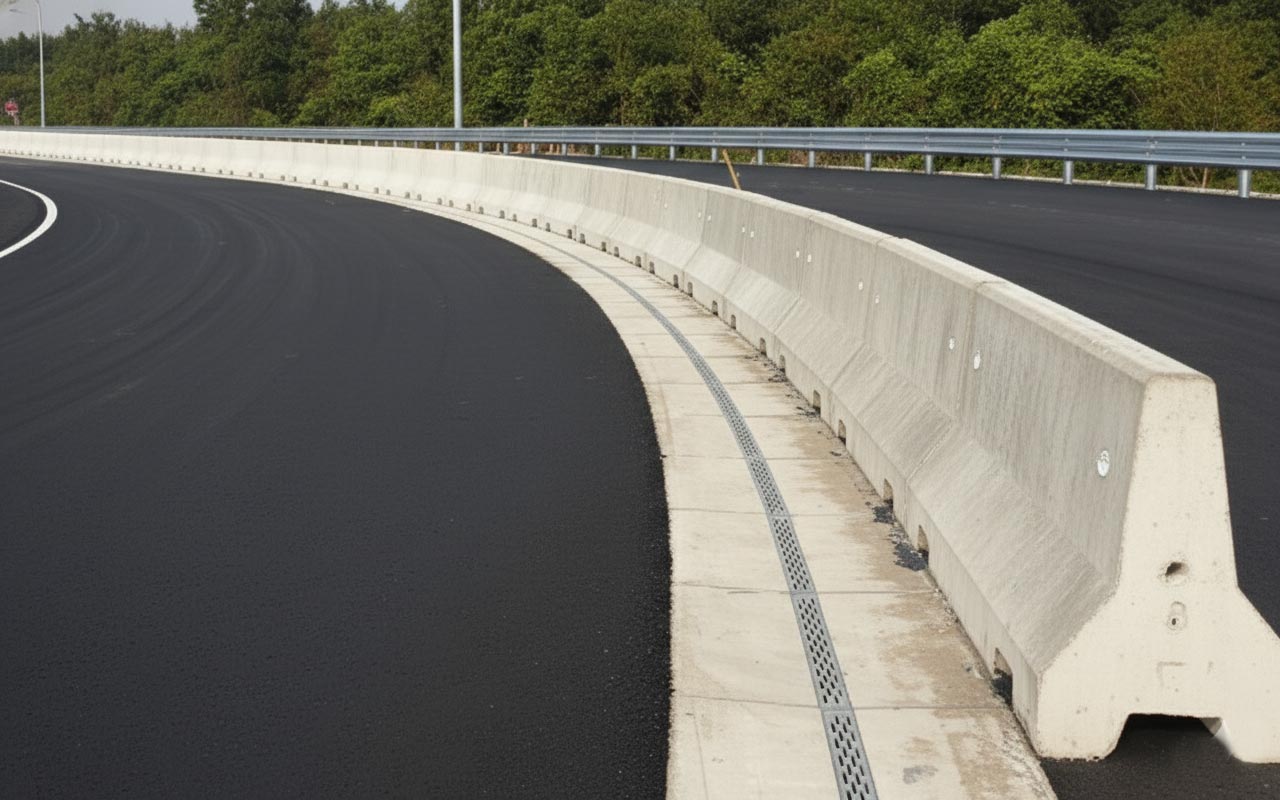
Median Barriers (Crash Barriers)
• Essential Safety Devices: Median barriers and crash-prevention structures are essential safety devices that absorb energy during vehicle collisions and prevent vehicles from leaving the road.
• Enhanced Safety & Maintenance: When replaced with Epoxy GFRP rebar, chloride-induced corrosion is fundamentally blocked, maintaining high structural integrity even in environments where de-icing salts are heavily used. With its lightweight profile and exceptional tensile performance, it controls impact energy more effectively, minimizing the structure's maintenance costs and maximizing road safety.
• Enhanced Safety & Maintenance: When replaced with Epoxy GFRP rebar, chloride-induced corrosion is fundamentally blocked, maintaining high structural integrity even in environments where de-icing salts are heavily used. With its lightweight profile and exceptional tensile performance, it controls impact energy more effectively, minimizing the structure's maintenance costs and maximizing road safety.